make preferable
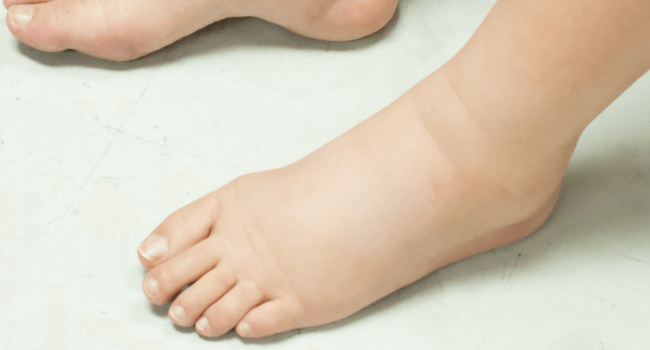
Swelling of the legs may indicate that inflammation caused by fatty liver disease has led to the development of cirrhosis. Fat accumulation in the liver, known as fatty liver disease, is often asymptomatic, and only in the later stages of the pathology may noticeable symptoms occur. Most people suffer from a form called nonalcoholic fatty liver disease (NAFLD). According to experts at Penn Medicine, a buildup of liver fat in a person's pre-existing NAFLD can cause inflammation of the organ. When this happens, the liver condition is characterized as more severe - either nonalcoholic steatohepatitis (NASH) occurs. When it occurs, the liver becomes more prone to cirrhosis. In the background of unfavorable processes in the liver, "some physical symptoms" may occur. In particular, people with non-alcoholic steatohepatitis whose liver has become inflamed may suffer from sudden swelling in the legs and abdomen. This is caused by increased pressure in the vein through which blood travels through the liver, known as the portal vein. Increased blood pressure in the portal vein causes fluid to accumulate throughout the body, including in the legs, ankles, and abdomen.