make preferable
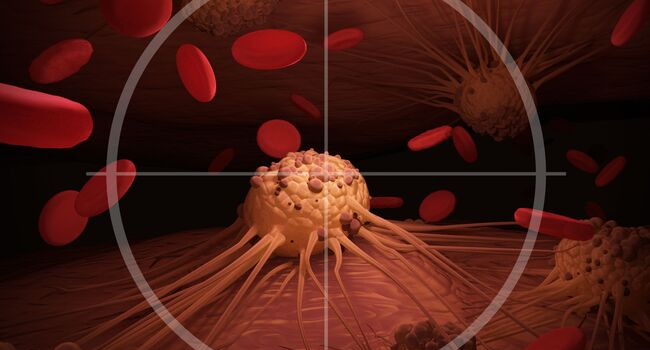
Scientists at the Walter and Eliza Hall Institute of Medical Research (Australia) have proposed treating aggressive forms of cancer by blocking a rare molecular process called minor splicing. According to the journal EMBO Reports, suppressing this mechanism dramatically slows the growth of liver, lung, and stomach tumors with little effect on healthy cells. Minor splicing is a special type of RNA editing that affects only about 0.05% of all genes.
However, it is these genes that play a key role in cell division and are actively involved in the development of malignant tumors, especially those containing the KRAS mutation, one of the most aggressive and difficult to treat.
Scientists have found that interfering with this process causes DNA damage in cancer cells and activates the p53 protein, a crucial protective mechanism in the body that triggers the self-destruction of mutated cells.
Experiments on lung cancer models in mice, fish, and laboratory cells have shown that reducing the activity of another protein, RNPC3, which is involved in minor splicing, significantly reduces tumor burden. At the same time, the effect on healthy tissue remains minimal.
The research team is now looking for compounds that can selectively suppress minor splicing. This could lead to the development of a new class of anticancer drugs, especially for treating forms of cancer that do not respond to existing therapies.