make preferable
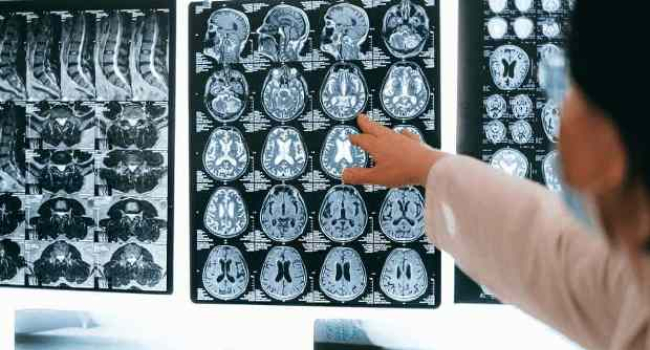
A new multi-analytic test developed by researchers at the Kimmel Cancer Center at Johns Hopkins University allows for the accurate diagnosis of brain cancer using small samples of cerebrospinal fluid (CSF).
The results of the study were published in the journal Cancer Discovery and demonstrate that a combination of several biological markers, including tumor DNA and immune cell characteristics, is more effective for diagnosing central nervous system cancer than using a single marker.
“This study shows how much more information we can obtain by evaluating several indicators simultaneously,” says senior author Chetan Betgeoda, MD, PhD, as reported by Scientific Russia. “The ability to detect cancerous tumors with high accuracy and gain insight into the immune environment of the brain could be an important step in the treatment of patients with brain tumors.”
To assess the potential of the multi-analytical approach, the researchers analyzed 206 cerebrospinal fluid samples, including samples from patients with high-grade gliomas, medulloblastomas, metastases, and central nervous system lymphomas, according to Scientific Russia. Their test, called CSF-BAM, can detect chromosomal abnormalities, tumor-specific mutations, and T- and B-cell receptor sequences.
Together, these markers enabled the detection of brain cancer with a sensitivity of over 80% (the ability to detect cancer) and a specificity of 100% (the correct identification of those who did not have cancer) in the control group. A specificity of 100% means that there were no false positives among people with non-cancerous diseases.
The study also showed that the analysis can distinguish between immune cell populations present in cancer and other diseases and provides additional biological information that may be useful in more complex clinical cases. According to the researchers, the ability to classify T- and B-cell populations in cerebrospinal fluid provides insight into both the presence of disease and the immune response.
“Many patients with brain lesions have to undergo invasive diagnostic procedures to confirm their diagnosis,” says Christopher Duville, author of the study. “A tool like this can help make more informed decisions about who really needs a biopsy and who doesn't.”
This test may be particularly useful in cases where traditional imaging or cytology does not provide a clear result, as well as in situations where obtaining a tissue sample for diagnosis is risky or impossible. The multi-analytical approach allows for better detection of cancer and understanding of the stage of the disease, which contributes to an individualized approach to patient treatment.