make preferable
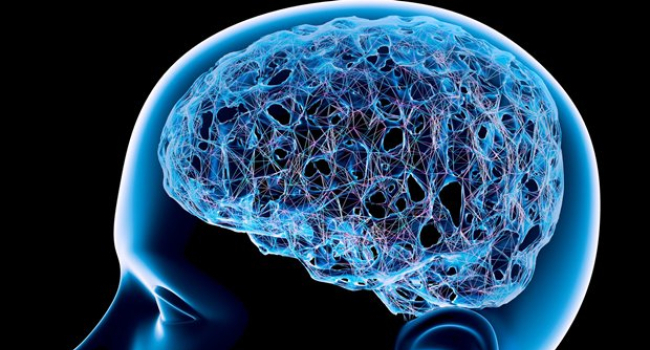
Scientists from University College London and the University of Oxford have unveiled a new ultrasound device that, for the first time, enables precise stimulation of deep brain regions without surgical intervention. The study results were published in Nature Communications.
Until now, existing methods of transcranial ultrasound stimulation (TUS) had limited accuracy, affecting only broad areas of the brain and reducing their practical value.
The new device is a “helmet” equipped with 256 ultrasound emitters and a soft plastic mask to keep the head firmly in place. This design allows highly concentrated ultrasound waves to be directed with extreme precision—focusing on areas thousands of times smaller than those targeted by conventional devices and 30 times smaller than previous deep-brain systems.
In the experiment, researchers targeted a small thalamic structure called the lateral geniculate nucleus (LGN), which processes visual information, in seven volunteers.
During stimulation, participants viewed a flickering checkerboard pattern, and functional MRI scans showed significant increases in visual cortex activity—evidence that the ultrasound precisely reached the intended region. In another test, activity in the visual cortex was consistently reduced for at least 40 minutes after stimulation, suggesting a potential long-term effect on brain function.
Although participants did not perceive any subjective changes in vision, brain scans clearly recorded shifts in neural activity.
The authors emphasize that this approach opens new opportunities both for fundamental brain research and for developing therapies—for instance, to reduce hand tremors.
Professor Bradley Tribe notes that the ability to manipulate deep brain structures without surgery represents a revolutionary shift in neuroscience and holds promise for treating neurodegenerative diseases.