make preferable
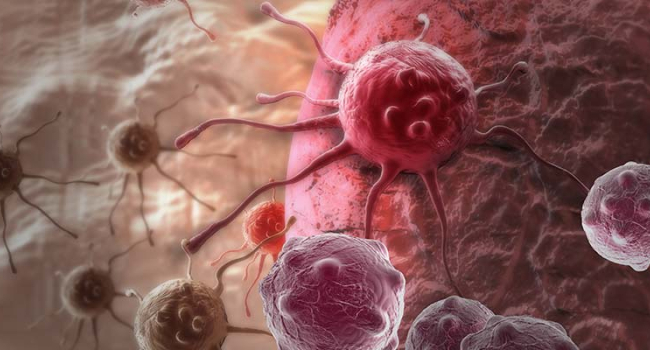
Researchers at the Vall d'Hebron Institute of Oncology (VHIO) have found that "dormant" prostate cancer cells become particularly sensitive to treatment after “waking up.” The findings of the respective study were published in the journal Molecular Cancer Therapeutics.
Prostate cancer is the second most common cancer in men and the fifth most deadly. The main method of treating metastatic prostate cancer remains hormonal therapy, which blocks androgen receptor signals. But over time, the tumor stops responding to drugs, so the search for new targets becomes extremely important.
One of the respective directions is CDK4/6 inhibitors. These drugs are successfully used in breast cancer and have shown good results in preclinical models of prostate cancer. However, clinical trials on patients have been unsuccessful. To understand the reason, the researchers decided to study not only the immediate effect of the drugs, but also the delayed changes in tumor cells.
It turned out that after a course of therapy, some cells do not die, but “freeze” in a state of hibernation, waiting for an “attack.” Over time, they can “wake up” and cause a relapse; but it is at this point that they become vulnerable to senolytic drugs that can specifically destroy such cells.
Researchers also found that the abrupt cessation of CDK4/6 inhibitors causes a rapid accumulation of DNA damage, which makes the tumor particularly sensitive to another class of drugs—PARP inhibitors. Importantly, the combination acts only in strict sequence: first CDK4/6i, then PARPi. This approach leads to a pronounced antitumor effect, while simultaneous use is virtually useless.
This “one-two punch” strategy could help overcome drug resistance and improve patients' prognosis, said medical oncologist Joaquin Mateo, head of the prostate cancer research group at VHIO.