make preferable
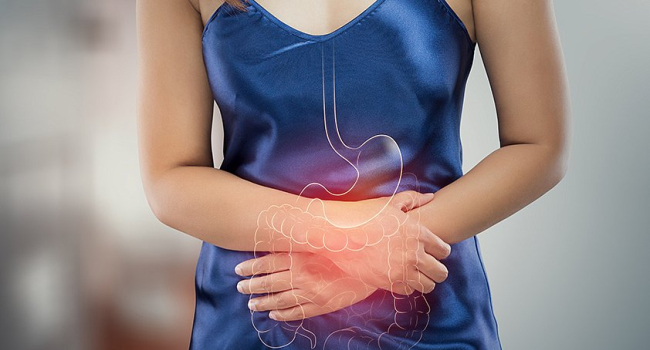
The "hot girls have stomach aches" trend on social media has unexpectedly become a tool for education: more and more women are openly talking about bloating, pain, constipation, and other manifestations of Irritable Bowel Syndrome (IBS). Behind the ironic slogan lies a real medical problem—statistically, women suffer from IBS almost twice as often as men, with the peak incidence occurring between the ages of 18 and 39. This is reported by the portal The Conversation.
IBS is not a disease in the conventional sense, but a functional disorder characterized by a disruption in the interaction between the brain and the gut. Due to a malfunction in the gut-brain axis, a person experiences pain, bloating, alternating constipation and diarrhea, headaches, and fatigue. These symptoms are often exacerbated by stress and anxiety.
According to gastroenterologists, in men, high testosterone levels may reduce the likelihood of developing the syndrome. In women, however, fluctuations in estrogen and progesterone, on the contrary, make the gut more sensitive to stress and food. During menstruation, when the levels of these hormones drop, symptoms often intensify.
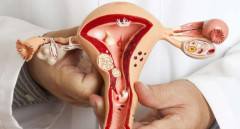
Furthermore, growing evidence points to a link between IBS and other hormone-dependent conditions. Women with endometriosis are three times more likely to have the syndrome, and with polycystic ovary syndrome, the risk doubles.
Specialists suggest the mechanism may be related to chronic inflammation, disruption of the gut microbiota, and increased sensitivity of nerve endings in the intestines.
A complete cure for IBS is impossible, but doctors assure that symptoms can be managed. Key recommendations include avoiding trigger foods: caffeine, alcohol, fatty and spicy foods. For pronounced symptoms, a diet low in FODMAPs—fermentable carbohydrates found in milk, wheat, and some fruits—can help.
In addition to diet, cognitive-behavioral therapy and hypnotherapy are considered effective, as they help reduce anxiety and restore normal communication between the brain and the gut. In some cases, doctors prescribe medications that regulate gut motility or low doses of antidepressants.
Although IBS remains one of the most under-recognized health issues, open discussions online are helping women reduce feelings of shame and seek medical help more often. However, specialists warn against trusting bloggers' advice and dubious "miracle cures."