make preferable
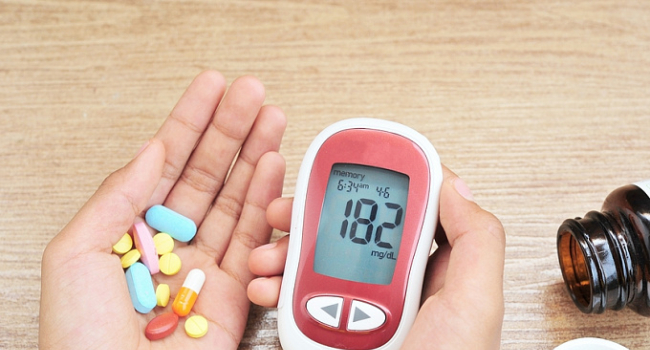
SGLT2 inhibitors, a class of drugs used to treat diabetes, slow down age-related changes in the kidneys and preserve their structure and function, according to a study published in the journal Kidney International (KidInt).
The researchers evaluated the effects of these drugs on African turquoise killifish, a model of accelerated aging. These fish live only 4-6 months, so the age-related changes in their organs over a few weeks correspond to decades of human aging.
During the experiment, these fish received sodium-glucose cotransporter type 2 inhibitors, drugs that are already used to treat patients with diabetes and chronic kidney disease.
Without treatment, the fish developed signs of kidney aging with age: damage to small blood vessels, deterioration of filtration, increased inflammatory processes, and disruptions in cellular energy metabolism. Similar changes are also characteristic of the kidneys of elderly people and patients with kidney diseases.
In fish that received the aforesaid drugs, however, such processes were significantly less pronounced. Blood flow in the kidneys was preserved, capillaries collapsed more slowly, cells produced energy better, and inflammation decreased. Moreover, gene activity remained close to that of young individuals.
A particularly noticeable effect was observed on microvessels: in untreated fish, capillaries gradually disappeared, which worsened the oxygen supply to tissues. SGLT2 inhibitors enabled these vessels to be preserved and, thereby, preserving normal kidney function.
The study authors say the results help explain why people taking these drugs have greater benefits for their kidneys and hearts than would be expected from simply lowering blood sugar levels.
The researchers plan to investigate whether such drugs can not only slow kidney aging, but also repair damage that has already occurred.