
 make preferable
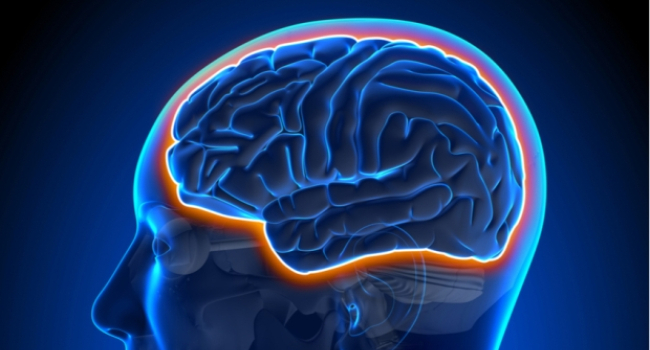
A new study by neuroscientists, published in Science, shows that the learning process changes the activity of sensory neurons in the brain far more intricately than previously thought.
For a long time, neuroscience assumed that as a new skill is learned, individual neurons begin to act more independently, increasing the efficiency of information processing. However, new evidence suggests the opposite: during learning, brain cells actually strengthen the coordination of their activity.
Researchers monitored small groups of neurons in the visual cortex over several weeks as participants learned to distinguish similar visual patterns.
They tracked the activity of the same cells and analyzed how information exchange between them changed with experience. The results showed that as learning progressed, neurons increasingly worked in a coordinated manner, forming tighter functional connections.
This effect is explained by the fact that human perception is shaped not only by current sensory input but also by the brain’s internal expectations—a kind of prediction based on past experience. As learning advances, higher brain regions send more feedback signals to sensory centers, helping them interpret incoming information in the context of accumulated knowledge.
Thus, learning does not merely “tune” individual neurons; it restructures entire networks of interactions between them. Instead of a system of independent elements, the brain increasingly resembles a coordinated ensemble of cells working together to process information.
According to the authors, these findings could change traditional views on how the brain optimizes signal processing. Understanding how neurons coordinate their activity during learning may be important for developing new treatments for neurological disorders and for designing advanced artificial intelligence systems inspired by the principles of human brain function.





