make preferable
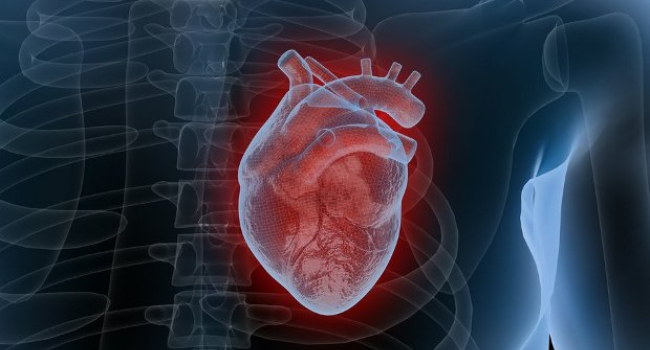
Scientists from Texas A&M University have developed an injection that stimulates the production of the hormone atrial natriuretic peptide (ANP), which protects the heart after a heart attack. The results of the study were published in the journal Science.
After a heart attack, the heart sustains damage and is forced to work under increased strain. In response, the body produces ANP, a hormone that reduces the workload on the heart muscle and protects tissues from further damage. However, the natural level of this hormone is usually not sufficient to significantly accelerate recovery.
The new injection addresses this problem. The drug is administered into skeletal muscles, where cells receive temporary “instructions” and begin producing additional ANP. The hormone then enters the bloodstream and reaches the heart, reducing the burden on the organ and supporting tissue repair. According to the researchers, a single dose is enough for the increased hormone production to last for several weeks.
“In essence, we are boosting the heart’s own protective system. The body already uses ANP for protection, and we are simply helping it produce more of this substance during the critical healing period,” the scientists explained.
The injection is based on self-amplifying RNA (saRNA) technology. Unlike conventional RNA-based therapies, these molecules can temporarily copy themselves inside cells, prolonging the effect and allowing a smaller dose to be used.
Even after the first heart attack, the heart gradually weakens due to scarring and the loss of part of the muscle tissue. According to the authors, increased ANP production in the first weeks after an attack helps reduce scar formation, preserve more healthy tissue, and improve heart function in the long term.
The study builds on the team’s previous work, in which they developed a microneedle patch placed on the surface of the heart that released a hormone stimulating tissue repair. The new approach makes it possible to achieve a similar effect with a simple injection, without surgical intervention.