make preferable
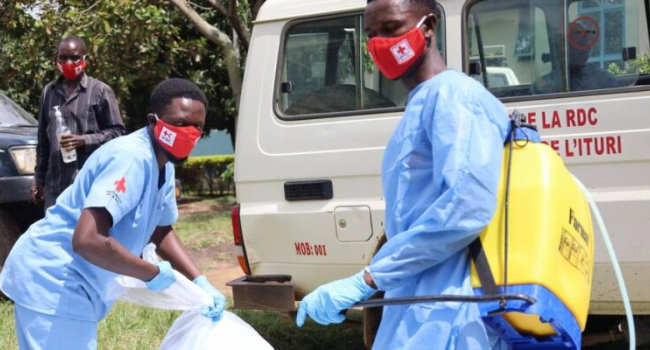
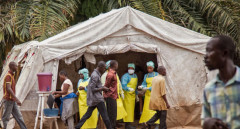
The Ebola outbreak in the Democratic Republic of the Congo (DRC) is unfolding in a complex humanitarian and epidemiological environment, with the World Health Organization (WHO) warning that the risk remains very high at the national level, high regionally, but low globally, the organization told the Global Times.
The number of suspected Ebola infections in the DRC has exceeded 1,000 as the outbreak continues to spread through eastern provinces, according to the latest report from the country’s Ministry of Health cited by Xinhua News Agency. As of Tuesday, authorities had registered 1,077 suspected cases, including 121 laboratory-confirmed infections and 238 suspected deaths since the outbreak was officially declared on May 15.
This is the DRC’s 17th Ebola outbreak. Health officials identified the Bundibugyo strain of the virus, a relatively uncommon variant of Ebola.
In comments provided to the Global Times, WHO representatives said there are still major uncertainties regarding the actual number of infections and the geographic spread of the disease. The organization also noted limited understanding of epidemiological links between confirmed and suspected cases.
According to the WHO, the situation is further complicated by the role of Ituri province as a major trade and migration hub located near the borders of Uganda and South Sudan, increasing the likelihood of cross-border transmission. The agency said it is cooperating closely with neighboring countries to strengthen border preparedness and surveillance under the framework of the International Health Regulations. WHO officials also noted that South Sudan and Kenya continue to report regular alerts, indicating that large-scale monitoring and preparedness activities are underway.
Amid growing concerns, Uganda on Wednesday announced the immediate closure of its border with the DRC after a number of Ugandan health workers were reportedly exposed to infected patients arriving from across the border, according to AP News.
The United States has also intensified precautions. Secretary of State Marco Rubio said Washington would not allow Ebola cases to enter the country. Reuters reported that an American medical missionary infected while treating patients in the DRC had been transferred to Germany for treatment along with several exposed individuals.
China has introduced additional preventive measures as well. The Chinese Center for Disease Control and Prevention advised travelers arriving from high-risk countries, including the DRC and Uganda, to complete 21 days of self-health monitoring after entry into China.
Several other countries have strengthened surveillance measures. Thailand introduced a mandatory 21-day quarantine for travelers arriving from or transiting through the DRC and Uganda, while Canada announced self-isolation requirements for travelers from Ebola-affected areas and temporarily suspended immigration decisions involving applicants from Congo, South Sudan and Uganda.
Despite the growing number of cases and international concern, the WHO maintains that the overall global risk from the outbreak remains low.