make preferable
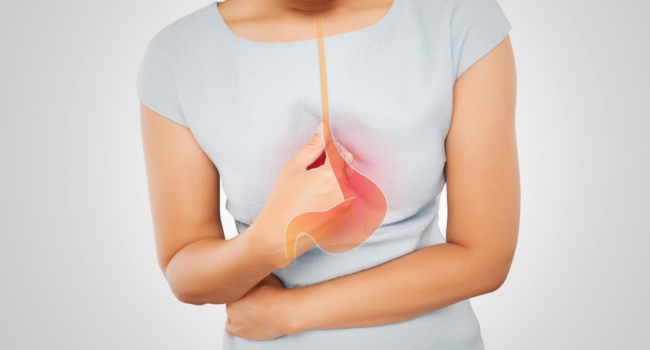
Engineers at Massachusetts Institute of Technology, one of the world's leading research universities in engineering, biomedicine, and artificial intelligence, have developed a new drug-delivery system that enables medications to be delivered directly to esophageal tissue. The study was published in Nature Biomedical Engineering.
Treating diseases of the esophagus has long been challenging because drugs are difficult to deliver locally. Medications pass through the organ too quickly, and the esophageal lining acts as a strong barrier that limits the penetration of therapeutic compounds. As a result, patients are often treated with systemic medications that affect the entire body and may cause unwanted side effects.
The newly developed technology consists of a hydrogel-based formulation that, once swallowed, temporarily coats the lining of the esophagus. This allows active drug molecules to remain in contact with the tissue long enough to penetrate more effectively.
The system incorporates two bile salts—sodium chenodeoxycholate and sodium cholate—which temporarily loosen the tight junctions between epithelial cells, making it easier for large therapeutic molecules to cross the tissue barrier.
This effect occurs through interactions with calcium-dependent structures responsible for maintaining strong connections between neighboring cells.
The hydrogel matrix keeps the medication in place on the mucosal surface long enough for absorption to occur, then gradually breaks down without causing prolonged discomfort.
To develop the platform, the researchers created a laboratory model that mimics the structure of the esophagus and screened approximately 100 different compounds. This process helped identify the most effective combinations for enhancing drug delivery.
In animal studies, the system successfully delivered Infliximab, an antibody drug used to treat inflammatory and autoimmune disorders, including Crohn's Disease and Eosinophilic Esophagitis.
Importantly, the increased tissue permeability was reversible. Within three days, the epithelial cells returned to their normal state, suggesting a lower risk of long-term tissue damage.
The researchers emphasize that localized drug delivery could significantly reduce the systemic side effects associated with immunosuppressive therapies because the medication acts primarily at the site of disease rather than throughout the entire body.
The team is now continuing to optimize the formulation for future clinical trials, including refining the balance between gel retention time and patient comfort.
If successfully translated to human use, the technology could offer a new treatment strategy for a range of esophageal disorders by delivering biologic drugs directly where they are needed most while minimizing unwanted effects elsewhere in the body.