make preferable
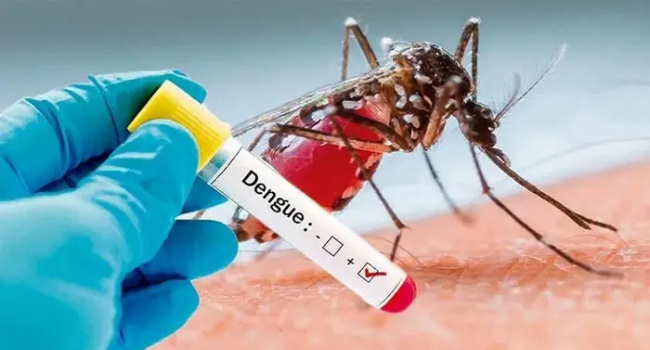
Sri Lanka is grappling with its most severe dengue outbreak in recent years, with more than 44,000 infections and 28 deaths reported since the beginning of 2026. Health officials warn that the mosquito-borne disease is placing growing pressure on the country's public healthcare system.
While dengue outbreaks are common during the monsoon season, authorities say this year's surge has been intensified by rapid urban expansion and the aftermath of Cyclone Ditwah, which struck the island in late November. Storm-related debris created numerous breeding sites for mosquitoes, contributing to a sharp increase in transmission.
According to data from the National Dengue Control Unit (NDCU), reported cases climbed from 5,651 in April to 10,638 during the first two weeks of June alone.
"We observed a significant increase in cases after the cyclone," said Dr. Prashila Samaraweera, consultant community physician and spokesperson for the NDCU. "Large amounts of debris remained in the environment, creating ideal conditions for mosquito breeding and leading to high entomological indicators."
Sri Lanka recorded about 51,000 dengue cases throughout all of 2025, meaning this year's outbreak is already approaching that level. Health experts expect infections to continue rising for at least another two weeks before beginning to decline.
Health Minister Nalinda Jayatissa has warned that a further increase in patient numbers could place severe strain on public hospitals.
More than half of all reported infections have occurred in the country's western region, including 9,429 cases in the commercial capital, Colombo. Eight additional districts have each reported more than 2,000 cases since January. Among the 28 fatalities recorded so far are five children.
Officials caution that the total number of cases this year could approach the scale of the major 2019 outbreak, when Sri Lanka registered more than 105,000 dengue infections.
To combat the spread of the disease, authorities have launched a nationwide cleanup campaign targeting schools, homes, construction sites, and public buildings, with efforts scheduled to continue through next week.