make preferable
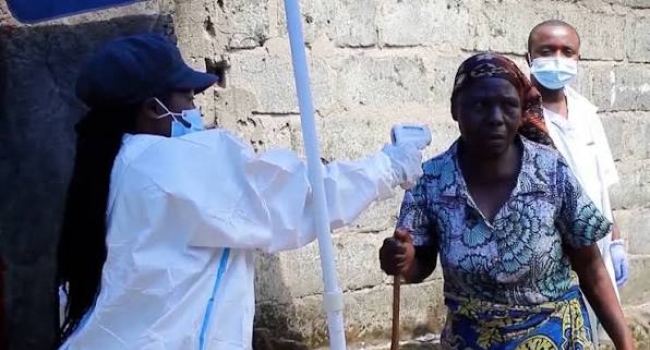
The death toll from the ongoing Ebola outbreak in Africa has exceeded 1,000, according to the latest figures released by health authorities in the Democratic Republic of the Congo (DRC) and Uganda.
In its latest situation report published on Wednesday, the DRC Ministry of Health said the country had recorded 2,473 confirmed Ebola cases, including 999 deaths, as of July 20.
Uganda has confirmed 20 Ebola cases, including two deaths, bringing the combined death toll in the two affected countries to 1,001.
The outbreak, caused by the Bundibugyo virus, was first declared on May 15 in Ituri Province in eastern DRC before spreading to the provinces of North Kivu, South Kivu, Haut-Uele, and Tshopo.
According to the DRC Ministry of Health, 737 patients were in isolation or receiving hospital treatment as of July 20, while 482 people had recovered.
Speaking at a press conference in Geneva on July 16, World Health Organization (WHO) Director-General Tedros Adhanom Ghebreyesus said the current outbreak has become the third-largest Ebola outbreak on record and has spread more rapidly over the past month than any previous Ebola epidemic.
This is the 17th Ebola outbreak recorded in the DRC since the virus was first identified in the country in 1976.
Tedros also noted that Uganda discharged its last confirmed Ebola patient on July 16, marking the start of the mandatory 42-day countdown before the country can officially declare the outbreak over if no new cases are detected.
Addressing an African Union health summit in Accra, Ghana, on Tuesday, Africa CDC Director-General Jean Kaseya warned that the epidemic could become one of the most severe Ebola outbreaks ever recorded unless it is brought under control quickly.
Kaseya called for stronger political commitment, sustainable investment in healthcare, and African-led public health emergency response systems. He also said that the estimated funding required for the Ebola response has risen sharply—from $518 million in June to $1.4 billion—highlighting the rapidly escalating scale of the outbreak.