make preferable
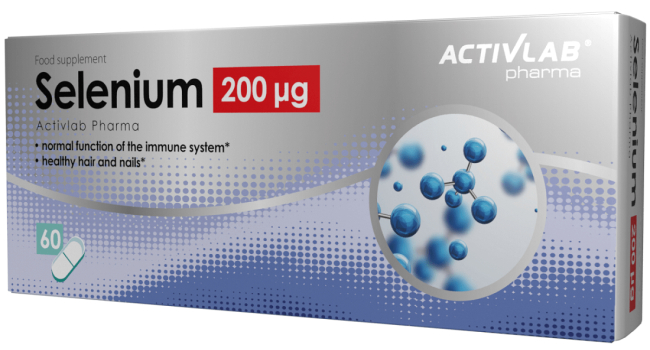
A patient with advanced, treatment-resistant lung cancer achieved long-term remission after receiving treatment with sodium selenite, a selenium compound, according to a case report from researchers at Karolinska University Hospital and Karolinska Institutet.
The patient had progressive advanced lung cancer that no longer responded adequately to conventional treatment. She subsequently participated in a study investigating sodium selenite as a potential treatment for patients with cancers resistant to standard therapies.
Following treatment, the tumor disappeared. Remarkably, the patient remained free of detectable cancer for 10 years.
The researchers also observed a sharp decline in the level of the tumor marker sPD-L1 during treatment. This change may indicate that selenite contributed to activating the patient's immune response against the tumor.
An exceptional case, but not yet proof of effectiveness
The researchers emphasize that the result involves only one patient and therefore cannot demonstrate that sodium selenite is an effective cancer treatment.
"The results are very promising, but this is an exceptional case," said Ola Brodin, associate professor at Karolinska Institutet and senior consultant at Karolinska University Hospital. Given the patient's advanced disease, her expected survival had been only a few months, yet she remained tumor-free for a decade.
The team now plans to conduct a larger study to determine whether the response can be reproduced in other patients with advanced cancer.
Could selenium become a cancer treatment?
According to the researchers, sodium selenite has several potential advantages: it is inexpensive, relatively simple to administer and, at the doses used in the study, was not associated with significant side effects.
Mikael Björnstedt, professor at Karolinska Institutet and head of Clinical Pathology and Cancer Diagnostics at Karolinska University Hospital, said these characteristics could potentially make the treatment accessible in countries with limited healthcare resources if its effectiveness is confirmed.
However, the researchers stress that much more evidence is needed before selenite can be considered an established cancer therapy.
The study was published in Oncology and Therapy as a case report titled "Exceptional Cure of a Patient with Progressive Advanced Squamous-Cell Lung Cancer after Selenite Treatment followed by Chemotherapy."