make preferable
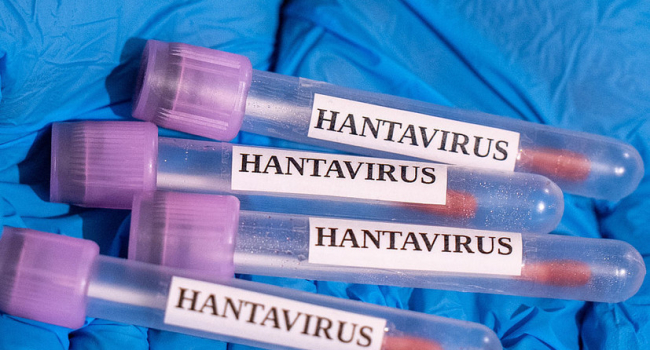
An international team of scientists has determined how hantavirus spread aboard the cruise ship M/V Hondius, where an outbreak of severe respiratory infection occurred in the spring of 2026.
The findings were published in the journal Science.
Genetic analysis showed that the virus was first transmitted from a rodent to a human and then began spreading between passengers. A total of 13 people were infected, three of whom died.
The ship departed from the Argentine city of Ushuaia on April 1, 2026. The first case was identified on April 3. Tests conducted by the Geneva Centre for Emerging Viral Diseases at the University of Geneva and Geneva University Hospitals (UNIGE/HUG), which collaborates with the World Health Organization (WHO), showed that the outbreak was caused by the Andes variant of hantavirus.
Hantaviruses are usually transmitted to humans through the inhalation of dust contaminated with excretions from wild rodents. However, Andes virus is distinctive in that, in rare cases, it can spread from person to person through close and prolonged contact.
To determine how the outbreak unfolded, the researchers examined the circumstances surrounding the passengers' infections and compared viral genomes from those who became ill.
The scientists paid particular attention to case No. 13: this passenger developed symptoms on May 31, 60 days after the ship departed Argentina. This interval exceeds the longest known incubation period following an initial infection from rodents, estimated at six weeks. The patient was also found to have had close and prolonged contact with another confirmed case, patient No. 10.
The researchers sequenced the viral genomes from 10 of the 13 patients. The genetic material in all samples was very similar. Taken together, the timing of symptom onset, contact data and genetic analysis results indicate that one passenger was initially infected by a rodent, after which the virus spread to other people on board.
“The timing of symptom onset, genomic data and patterns of close contact point to an initial transmission of the virus from a rodent to a passenger, followed by secondary person-to-person transmission aboard the ship,” said Isabella Eckerle, director of the Geneva Centre for Emerging Viral Diseases.
Genetic analysis also showed that the virus from the ill-fated cruise ship is very closely related to naturally occurring strains of Andes hantavirus circulating in Argentine Patagonia. This refutes suggestions that the virus was artificially created, had undergone recombination or carried unusual mutations.
The international consortium also published a second paper in Science examining the historical origins and evolutionary lineage of the strain circulating in Patagonia.
The study involved specialists from several countries, including France, Switzerland, the Netherlands, Spain, Canada, Senegal and South Africa. Independent comparisons of results obtained by different laboratories strengthened the reliability of the genetic findings.
According to Eckerle, the work demonstrated the importance of international scientific cooperation and preparing for epidemic crises in advance, including by developing national laboratories and robust international research networks.