Researchers save life of UK girl, 11, who suffers from disease diagnosed in about just 50 people in the world
 08:37 16 October, 2024
The family of a young girl say her life was saved after a pioneering study was able to diagnose her incredibly rare genetic disorder, leading to better treatment, BBC reports.
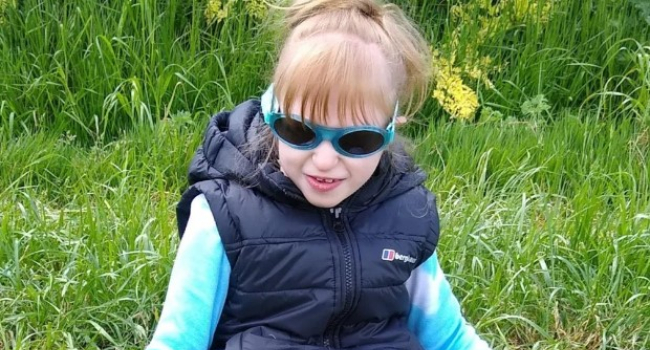
Jaydi Hawker, 11, has a form of dwarfism thought to affect fewer than 50 people in the world.
Jaydi was part of a study pushing the limits of genetic analysis to get families a diagnosis.
The disorders are caused by mutations in our DNA, which damage crucial instructions for how our bodies should work.
Jaydi’s mom Lisa Hawker says she first knew something was wrong when a pregnancy anomaly scan highlighted unusual brain development.
Jaydi was born at 31 weeks, weighing just 2lbs (0.9kg) and continued to grow and develop slowly.
When Jaydi was nearly one, Dr. Emma Kivuva, clinical geneticist at the Royal Devon University Healthcare National Health Service (NHS) Foundation Trust, offered a place on the Deciphering Developmental Disorders study.
It was implemented by the NHS, universities, and the Sanger Institute.
Answers came when Jaydi was four years old.
The detailed analysis of her DNA found she had lig-4 syndrome. It is caused by a mutation that affects the body’s ability to repair DNA damage and had only been documented a handful of times before.
Children with lig-4 syndrome were at an increased risk of aggressive and hard to treat leukemia.
Rather than wait for that to happen, Lisa and doctors agreed an immediate bone marrow transplant could save Jaydi's life.
Lisa and Jaydi are among 13,500 families that have taken part in the Deciphering Developmental Disorders study.
Previous analysis showed it identified 60 new genetic diseases and gave 5,500 families a diagnosis for the first time.
The latest study, led by the University of Exeter and the Royal Devon University Healthcare NHS Foundation Trust, looked at whether getting a diagnosis made a difference.
The results, published in the journal Genetics in Medicine Open, found: 76% of families were given specific information about their condition; in 28% of families, the diagnosis changed how the disorder was clinically managed; in 3% of cases, including Jaydi’s, it led to specific new therapies such as seizure-medications or dietary supplements to manage the condition; 21% of families were now part of support groups; and 29% of families had advice about the risks if they chose to have another child.