Australia man lives 100 days with titanium heart while waiting for donor transplant
 00:29 18 March, 2025
An Australian man suffering from acute heart failure has become the first person in the world to successfully survive 100 days with a titanium heart while waiting for a donor transplant, the BBC reports.
Australian researchers and doctors who performed the operation have declared the implant an undeniable clinical success.
The 40-year-old man from New South Wales had volunteered to be the first recipient of a total artificial heart in Australia—and the sixth in the world.
The first five implants were carried out in the US last year. All these patients then received donor hearts before being discharged from hospital. The longest period between implantation and transplantation of a donor heart was 27 days.
The device was implanted in the Australian patient's body on November 22 at St. Vincent’s Hospital Sydney by cardiovascular and transplant surgeon Paul Jansz during a six-hour operation.
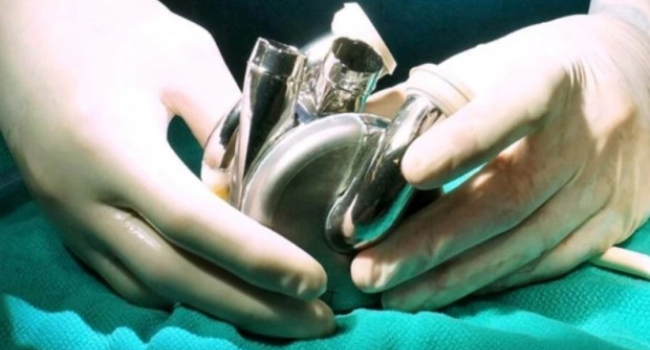
The artificial heart was developed by California-based company BiVACOR. And the aforesaid Australian man lived with it for more than 100 days before finally receiving a donor heart in early March.
The invention is the world's first implantable rotary blood pump that can completely replace the human heart, using magnetic levitation technology to mimic the natural blood flow of a healthy heart.
The implant, which is still in early clinical trials, is being developed for patients with end-stage biventricular heart failure, which usually develops when some other conditions—most commonly heart attack and coronary artery disease—damage the heart's valves or weaken the heart so that it cannot pump blood effectively.
BiVACOR’s founder, Australian bioengineer Daniel Timms, who invented the device following his father’s death from heart disease, said it was “exhilarating to see decades of work come to fruition.”
“The entire BiVACOR team is deeply grateful to the patient and his family for placing their trust in our Total Artificial Heart,” he said in the statement. “Their bravery will pave the way for countless more patients to receive this lifesaving technology.”
The Australian implant was the first in a series planned by Monash University’s Artificial Heart Frontiers Program, a 50 million Australian dollar ($31 million) program to develop and commercialize three devices to treat heart failure.
More than 23 million people worldwide suffer from heart failure each year, but only 6,000 are eligible to receive a donor heart.