Ultra-Processed Foods Harm Reproductive Health
 17:16 5 September, 2025
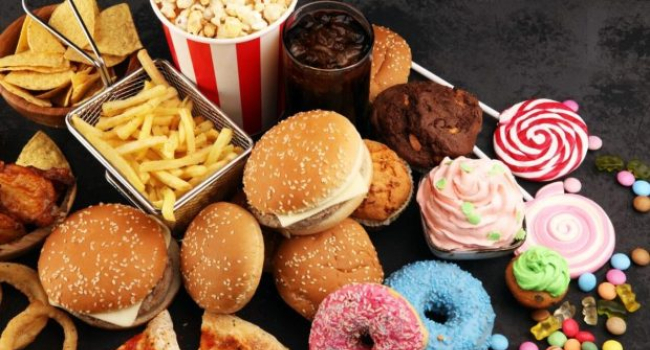
A controlled dietary intervention has shown that ultra-processed foods can damage cardiometabolic and reproductive health, even when consumed in amounts comparable to unprocessed foods. A human trial revealed that participants gained fat mass and showed hormonal changes after just three weeks on an ultra-processed diet, indicating that the processing methods themselves are a key factor behind these effects.
Ultra-processed foods are defined under the Nova classification system as products containing synthetic or industrial ingredients not typically used in home cooking, reports Planet Today. These include artificial flavorings, stabilizers, and colorants, as well as ingredients derived from deep industrial processing. Examples include packaged snacks, soft drinks, and ready-to-eat meals.
While the link between such foods and conditions like obesity and type 2 diabetes is well established, it has remained unclear whether this impact stems from the ingredients themselves, the processing methods, or increased energy intake. The new study aimed to isolate the role of processing.
The study involved 43 healthy men aged 20–35 who consumed both ultra-processed and unprocessed diets in a randomized crossover trial. Each diet period lasted three weeks, separated by a three-month washout. Participants received meals with identical macronutrient compositions—equal amounts of proteins, fats, and carbohydrates—and the same calorie levels. Half the group followed a calorie-balanced diet, while the other half received an additional 500 calories per day.
Regardless of energy intake, participants gained about one kilogram more fat mass on the ultra-processed diet compared to the unprocessed one. Moreover, consumption of ultra-processed foods negatively affected several cardiovascular health markers.
“Our results prove that ultra-processed foods harm our reproductive and metabolic health, even when eaten in moderate amounts. This suggests it is the processed nature of these foods that makes them harmful,” said study co-author Jessica Preston.
Beyond weight changes, researchers found that the ultra-processed diet raised levels of a phthalate compound known as cxMINP. This substance, commonly present in plastic food packaging, is known to disrupt endocrine function. Participants on the ultra-processed diet showed elevated blood levels of cxMINP and a corresponding decrease in hormones critical for spermatogenesis, including testosterone and follicle-stimulating hormone (FSH).
FSH plays a key role in reproductive processes. In men, it promotes sperm production by stimulating the testes.
“We were shocked at how strongly ultra-processed foods disrupted bodily functions, even in healthy young men. The long-term consequences are alarming and highlight the need to revise dietary guidelines to better protect against chronic diseases,” said co-author Romain Barrès.
The study, conducted by researchers from the Novo Nordisk Foundation Center for Basic Metabolic Research at the University of Copenhagen and Université Côte d’Azur, shows that even without excessive calorie intake, ultra-processed foods may pose metabolic and reproductive risks.