Food as Protection: Scientists Discover Why a High-Protein Diet Prevents Cholera from Infecting the Gut
 08:35 9 January, 2026
A new study by scientists at the University of California, Riverside has shown that everyday diet can significantly influence the course of cholera— a dangerous bacterial infection that, if left untreated, leads to severe diarrhea and can be fatal. The study was published in Cell Host & Microbe.
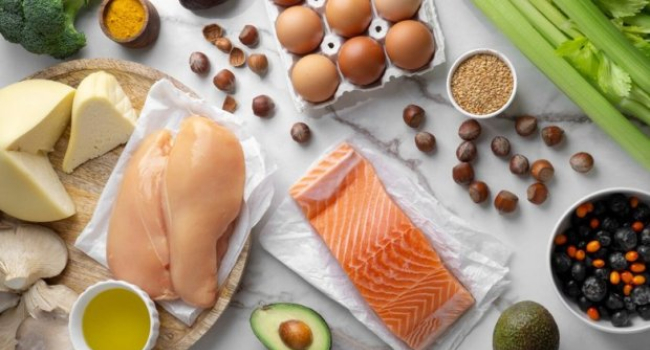
The researchers found that a high-protein diet sharply reduces the ability of Vibrio cholerae to colonize the intestine. Two protein sources in particular showed a pronounced effect: casein, the main protein in milk and cheese, and wheat gluten. In mouse experiments, the number of bacteria in the gut varied by as much as a hundredfold depending on the composition of the diet.
Scientists compared several types of diets dominated by fats, simple carbohydrates, or proteins. A high-fat diet had little effect on infection, carbohydrates produced only a limited impact, whereas a protein-rich diet—especially one containing casein and gluten—almost completely blocked infection.
More detailed analysis revealed that proteins suppress the activity of a specialized structure on the bacterial surface known as the type VI secretion system. This microscopic “syringe” allows V. cholerae to inject toxins into neighboring cells and eliminate competing bacteria, thereby clearing space in the intestine. When this mechanism is inhibited, the pathogen loses its ability to effectively take over its environment.
Cholera remains a serious threat in parts of Asia and Africa with limited access to clean water. Treatment primarily focuses on fluid replacement, while antibiotics only shorten the duration of the disease without neutralizing the toxins. Moreover, excessive antibiotic use increases the risk of bacterial resistance.
The authors emphasize that dietary strategies do not promote drug resistance and could become a cheap and safe way to reduce the risk of severe infection. Although the study was conducted in animals, the researchers expect a similar effect in humans and plan further studies involving the human microbiota.
In the long term, improved nutrition may become an important complement to traditional measures for preventing infectious diseases, especially in vulnerable regions of the world.