Nutritional Neuroscience: Fruits and Vegetables Protect the Brain from the Harmful Effects of a High-Fat Diet
 17:29 12 January, 2026
A diet rich in fruits and vegetables may protect the brain from the harmful effects of a high-fat diet. This conclusion was reached by scientists in a preclinical study showing that mice fed a “Western” diet retained their memory when their feed was supplemented with a mixture of plant-based foods. The study was published in the journal Nutritional Neuroscience.
The global rise in obesity is occurring in parallel with an increase in cognitive impairment among older adults. Obesity is considered a risk factor for dementia, and one proposed reason is the high consumption of calorie-dense foods rich in saturated fats. Such a diet increases oxidative stress—a mismatch between free radicals and the body’s antioxidant defenses—which over time damages tissues, including neural tissue.
A team led by Weimin Guo set out to test whether a combination of plant-based foods, rather than individual ingredients, could mitigate these effects.
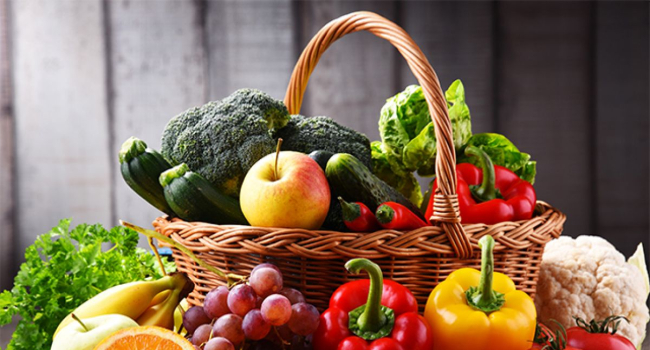
The experiment used male C57BL/6 mice. The animals were divided into five groups: one received a standard low-fat diet, while the others were fed a high-fat “Western” diet that induces obesity. The feed was supplemented with a freeze-dried fruit and vegetable powder at 0%, 5%, 10%, or 15% of the diet by weight. The mixture included apples, bananas, berries, grapes, citrus fruits, spinach, carrots, broccoli, and tomatoes. The highest dose roughly corresponded to about 8–9 servings of fruits and vegetables per day in humans.
After 20 weeks, the researchers assessed memory using the novel object recognition test, a standard method for studying learning and memory in rodents. Mice on the low-fat diet reliably distinguished a new object from a familiar one. In animals on the high-fat diet without supplements, this ability was impaired. However, in mice receiving the plant-based mixture, memory performance improved as the dose increased. At the 15% supplementation level, the results were almost comparable to those of the control group.
Interestingly, the 5% and 10% supplements did not prevent the development of obesity, whereas at 15% weight gain was lower than in mice that did not receive the plant powder. This suggests that memory preservation was not solely due to weight control.
To explore the mechanism behind the effect, the researchers measured levels of malondialdehyde in the liver, a marker of oxidative stress. The high-fat diet sharply increased its levels, while the addition of fruits and vegetables reduced them, indicating a decrease in systemic oxidative stress. The authors believe this reduction may have protected neural pathways and cognitive function.
In the future, the scientists plan to examine specific brain regions, including the hippocampus, and to determine whether the protective effect is observed in humans in clinical studies.