What You Need to Know About the Deadly Nipah Virus
 17:50 28 January, 2026
An outbreak of the deadly Nipah virus, for which there is no vaccine, has been recorded near the Indian city of Kolkata. A total of five infections have been identified, three of them this week.
The current outbreak is notable as it is the first confirmed case in West Bengal since 2007. The return of the virus to the region after a long gap has raised concerns from a public health surveillance perspective.
The authorities of India and West Bengal have announced rapid and comprehensive public health measures, including enhanced monitoring, laboratory testing and field investigations. Since the first two cases were detected, no new infections have been reported.
In particular, India’s Ministry of Health stated that all identified contacts of the infected individuals had been quarantined and tested. No details about the patients were disclosed, but 196 contacts were traced and all test results were negative.
No cases have been reported outside India; however, several Asian countries have introduced or strengthened airport health screening measures as a precaution.
Indonesia and Thailand increased checks at major airports, including health declaration forms, temperature screenings and visual monitoring of arriving passengers.
Myanmar’s Ministry of Health advised against non-essential travel to West Bengal and urged travellers to seek immediate medical care if symptoms develop within 14 days after travel. Temperature screening at airports has also been intensified.
Vietnam’s Ministry of Health called for strict food safety practices and instructed local authorities to strengthen monitoring at border crossings, healthcare facilities and in communities, according to state media.
China said it was strengthening disease prevention measures in border areas. State media reported that health authorities had begun risk assessments, expanded training for medical staff, and enhanced monitoring and testing capacities.
The day before, the World Health Organization said it was in contact with Indian health authorities to assess the risks of Nipah virus spread, but currently considers the risk of further transmission to be low.
NEWS.am Medicine has compiled the key available information about the virus in one article.
What is Nipah virus and how is it transmitted?
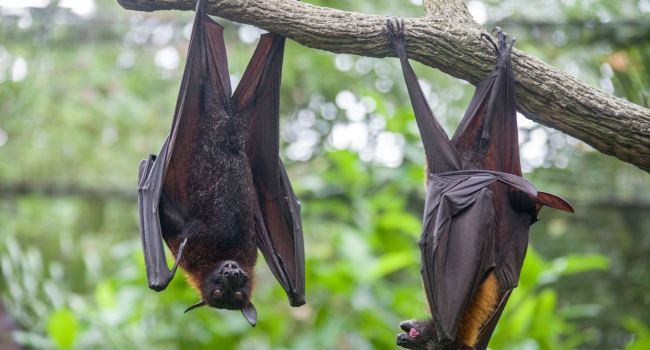
Nipah virus is zoonotic, meaning it is transmitted from animals to humans. The main sources are fruit bats (flying foxes) and pigs, as well as their infected tissues or secretions. There is evidence that Nipah virus can also infect other animals, including dogs, cats, goats, horses and sheep.
People can become infected by consuming food, such as fruit, or fruit products (including raw or partially fermented date palm sap) contaminated with bat feces, urine or saliva.
After transmission to humans, the virus can spread from person to person through close contact. This has been documented in Bangladesh and India, most often among family members and caregivers. People with respiratory symptoms pose a particularly high risk of transmission.
How contagious and dangerous is Nipah virus?
The virus was first identified in Malaysia and Singapore in 1999 during a major outbreak among pig farmers that killed more than 100 people. Among pigs, the virus is extremely contagious.
According to the World Health Organization, the fatality rate ranges from 40% to 75%, making it significantly more dangerous than the coronavirus.
Where is Nipah virus found?
Human outbreaks have been identified only in South and Southeast Asia, mainly in rural and semi-rural areas. Countries with previously reported outbreaks include:
-
Bangladesh (with cases occurring almost every year since 2001)
-
India (including outbreaks in Kerala in southern India since 2018 and the current outbreak in West Bengal)
-
Malaysia
-
The Philippines
-
Singapore
Although antibodies to Nipah virus have been found in bat species across Asia, as well as in Ghana and Madagascar, no human outbreaks have occurred outside South and Southeast Asia.
A study published in November in the Journal of Infection and Public Health showed that outbreaks in Bangladesh follow a predictable seasonal pattern from December to April. This is linked to the harvesting season of date palm sap, a traditional drink. Fruit bats often live in these trees and contaminate the sap with their saliva.
What are the symptoms of Nipah virus?
The incubation period (the time between infection and symptom onset) usually ranges from 4 to 21 days, though in rare cases it may be longer.
The illness typically begins suddenly and resembles the flu. Main symptoms include:
-
fever
-
headache
-
cough
-
muscle pain
-
difficulty breathing
-
vomiting
Pneumonia and other respiratory problems may also develop.
As the disease progresses, neurological symptoms may appear, including brain swelling, which can be fatal.
The most serious complication is encephalitis (inflammation of the brain) or meningitis, which usually develops 3 to 21 days after the initial illness. This is a hallmark of Nipah infection and is associated with very high mortality.
Some survivors suffer long-term neurological effects, including persistent seizures and personality changes. In rare cases, the virus can reactivate months or even years after the initial infection.
How is Nipah virus treated?
There are currently no licensed treatments or vaccines for Nipah virus.
Treatment is mainly supportive and requires high-quality, intensive medical care.
In 2018, the World Health Organization listed Nipah virus as a priority pathogen requiring urgent research and development.
Promising vaccines at various stages of trials and monoclonal antibody treatments are under development.
Since there is no specific cure, prevention is key. The WHO recommends:
-
limiting bats’ access to date palm sap collection sites
-
boiling collected sap before consumption
-
considering bat habitats when establishing pig farms
How can the spread of Nipah virus be prevented?
Travellers to endemic areas are advised to:
-
avoid contact with bats, their habitats and sick animals
-
not consume raw or partially fermented date palm sap (only boiled if consumed)
-
thoroughly wash fruit with clean water and peel before eating; avoid fruit found on the ground or partially eaten by animals
-
wear protective clothing and gloves when handling sick animals or during slaughter
-
practise good hand hygiene, especially after caring for sick people
-
avoid close, unprotected contact with infected individuals, including contact with blood or bodily fluids
In healthcare settings, strict infection control measures are essential, including contact, droplet and airborne precautions.
What should you do if you are concerned?
The risk to tourists visiting endemic countries is very low if standard precautions are followed. The risk may be higher for those taking part in local traditions such as collecting and drinking date palm sap.
If symptoms develop while in an endemic area, seek medical advice immediately.