Why COVID Leaves “Brain Fog”: Scientists Find Alzheimer’s-Like Traces
 17:57 10 February, 2026
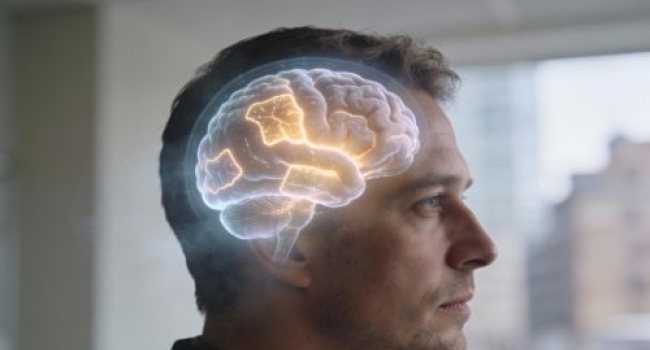
A new study suggests that in some people who have recovered from COVID-19, the brain may undergo changes similar to those seen in Alzheimer’s disease.
The focus is on so-called long COVID — persistent symptoms that last for months after recovery.
The findings were published in the journal Alzheimer’s & Dementia.
Patients report memory problems, difficulty concentrating, and so-called “brain fog,” and scientists are now beginning to understand the processes underlying these issues.
Researchers centered their attention on the choroid plexus — a small but important brain structure that produces cerebrospinal fluid, protects the brain, and plays a role in immune responses. In people with long COVID, this structure was found to be enlarged and to receive less blood flow compared to healthy individuals. Scientists also identified signs similar to those observed in patients with Alzheimer’s disease, including markers associated with neuronal damage and increased risk of dementia.
In addition, study participants showed poorer performance on cognitive tests. It is not yet known whether these changes are permanent or will diminish over time, but the results provide scientists with important evidence that COVID may affect the brain far longer than previously thought.
Researchers plan to continue monitoring patients to determine how long these changes persist and whether they can be prevented.
These findings are important for developing treatment strategies and supporting cognitive health after COVID, as well as for preventing potential long-term consequences.
Follow NEWS.am Medicine on Facebook and Twitter