What’s hidden inside colorectal cancer: scientists make a surprising discovery
 00:34 3 April, 2026
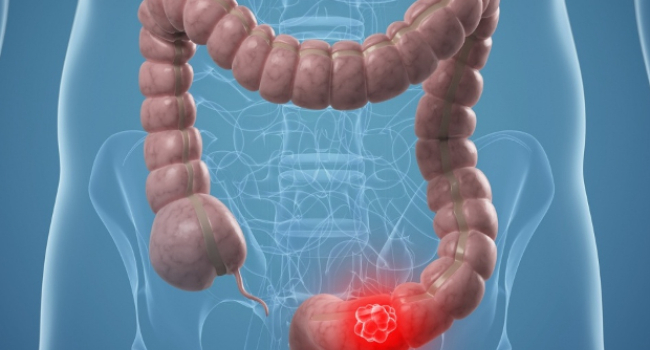
A new study published in Science Translational Medicine has shown that colorectal cancer may have a unique “microbial fingerprint” that distinguishes it from other types of cancer.
Researchers analyzed genomic data from more than 9,000 patients and found that among dozens of cancers, only colorectal tumors consistently contain characteristic communities of microorganisms.
This discovery challenges the previous idea that every type of cancer has its own microbial “signature.” It turns out that colorectal cancer stands out with a clear and recognizable microbial structure. Moreover, these microbial combinations are so specific that they could help doctors diagnose the disease more accurately and differentiate it from other tumors.
To understand this, it is important to note that tumors are not composed solely of cancer cells—they also contain microorganisms, including bacteria and viruses, that live alongside them. Their role has often been underestimated. Now it is clear that they may not just “coexist” with the tumor but actively influence its development, aggressiveness, and even the patient’s response to treatment.
The study found that in some cases, the presence of certain bacteria is associated with poorer survival, while in others it correlates with a more favorable prognosis. This suggests that microbes could become a new biomarker, helping doctors predict disease course and tailor treatment more precisely.
Additionally, tumor DNA analysis can reveal hidden infections—for example, viruses that may contribute to cancer development but remain undetected in standard diagnostics. This opens up new opportunities for earlier detection and intervention.