“Natural” and “Healthy” Labels May Mislead Rather Than Guide Consumers
 01:17 16 April, 2026
New research suggests that front-of-pack (FOP) labels alone may not effectively steer consumers toward healthier choices, as personal beliefs about naturalness and food processing continue to strongly influence purchasing decisions.
Defining healthy diets beyond nutrients
A healthy diet is typically associated with balanced consumption of fruits, vegetables, and whole grains, alongside reduced intake of sugar, salt, and unhealthy fats. The Mediterranean diet is often cited as a model, though it still includes foods high in fat or salt, such as cured meats and pastries.
This highlights that “healthy eating” is a complex concept, not limited to nutrients alone. No single food can be labeled entirely good or bad; overall dietary patterns matter more. Lifestyle factors and food diversity also play a key role in defining healthy diets.
Perceptions of healthiness vary widely depending on food type, nutrient content, labeling, organic origin, sensory qualities, and level of processing. Individual health conditions also matter—for example, dairy is unsuitable for people with lactose intolerance, and gluten for those with celiac disease. Even calorie-dense foods like dark chocolate can be considered healthy in moderation due to beneficial compounds.
Processed vs. natural foods
Consumer confusion increases when it comes to food processing. Processing does not automatically make food unhealthy, and there is no simple relationship between processing level and health impact.
While some processed foods contain high levels of salt, sugar, or saturated fats, others are processed to improve nutrition—such as fortification with vitamins or reducing harmful compounds.
“Natural” foods are not always safer or healthier. For example, some processed foods may be less toxic than their natural forms. However, many consumers equate naturalness with health, a belief not supported by scientific evidence.
Front-of-pack labeling systems
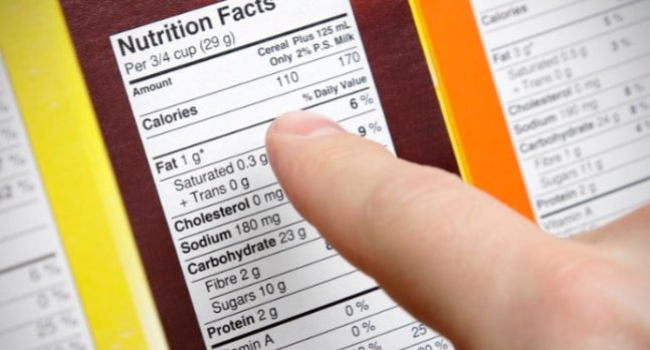
Different countries use various FOP labeling systems designed to help consumers quickly assess food healthiness. These systems may highlight overall health value, specific nutrients of concern, or both.
Types of labeling systems
Some systems use color coding, such as Nutri-Score, while others rely on symbols or ratings like the Healthy Star Rating. Non-interpretive systems present numerical data about nutrients, and hybrid models combine colors with numbers.
There are also sustainability labels, such as Enviroscore, and “naturalness” indicators like the Food Naturalness Index. However, these systems differ in methodology and criteria, and none are without criticism.
Simpler formats—colors, symbols, and words like “low” or “high”—are generally easier for consumers to understand than numerical information.
Benefits of FOP labeling
FOP labels make nutrition information more visible and easier to interpret. They can support faster and more informed decisions, particularly among less-informed consumers, and may encourage manufacturers to improve product formulations.
Limitations of FOP labeling
Despite their advantages, the long-term impact of labeling on behavior and health outcomes remains uncertain. Consumer choices are influenced by many factors beyond labels, including price, marketing, personal preferences, cultural norms, and knowledge.
Experts also argue that such systems can oversimplify food composition. In addition, some consumers distrust labels developed by governments or the food industry.
Future directions
To be more effective, labeling systems should better align with how consumers perceive food. More comprehensive and standardized approaches are needed to reflect nutrition, processing, and sustainability together.
Improving communication means simplifying how information is presented—not reducing the information itself. Stronger regulations and clearer label designs are needed, along with better consumer education to help people interpret labels correctly instead of relying on vague terms like “natural” or “healthy.”