Long-term uveitis risk in GLP-1 users appears higher in women than in men
 14:55 4 May, 2026
A new study with up to five years of follow-up suggests that sex-related differences may influence the likelihood of developing uveitis among people using GLP-1 medications, possibly reflecting variations in immune responses to treatment.
Among adults aged 40 and older with type 2 diabetes receiving GLP-1 receptor agonists, men consistently showed a lower risk of developing uveitis compared to women over extended follow-up periods. While no significant difference was observed at the one-year mark, the gap became evident over longer timeframes.
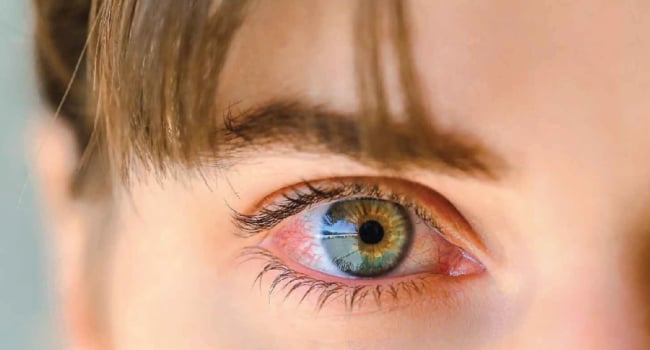
Uveitis is an inflammatory eye condition that can lead to permanent vision loss if left untreated. Patients with type 2 diabetes are already at increased risk. GLP-1 drugs — including commonly prescribed medications such as semaglutide (Ozempic) and dulaglutide (Trulicity) — are widely used to manage blood sugar and support weight loss, and have recently drawn attention for possible eye-related effects.
The findings were presented at ARVO 2026 and were based on a retrospective cohort analysis using the TriNetX database. Researchers included adults aged 40+ with type 2 diabetes who had received at least four prescriptions for a GLP-1 drug, excluding those with prior uveitis or obesity diagnoses within the study window.
The study initially included 9,933 men and 9,402 women, with 5,947 patients remaining in each group after matching. Statistical analysis showed that men had a lower — though not statistically significant — risk of uveitis at one year. However, significantly lower risks were observed in men at both three and five years.
The authors noted that their results are consistent with earlier research indicating that women may be more prone to developing uveitis. They emphasize the importance of considering sex differences when assessing eye health risks in patients with diabetes using GLP-1 therapies.