Century-Old Tuberculosis Vaccine Shows Promise in Diabetes Trial
 12:20 10 June, 2026
A vaccine originally developed more than 100 years ago to prevent tuberculosis may help people with certain forms of diabetes better regulate their blood sugar and reduce their reliance on insulin, according to findings from a Phase II clinical trial.
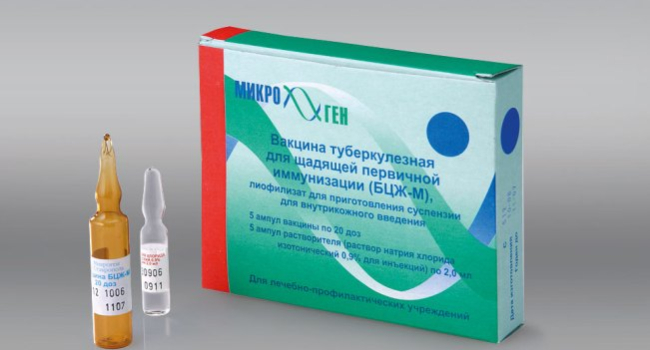
The vaccine, known as Bacillus Calmette–Guérin (BCG), was created in the early 20th century from a weakened strain of the bacterium responsible for tuberculosis in cattle. Although primarily used to protect against tuberculosis, researchers have increasingly explored its potential benefits for a range of other conditions, including bladder cancer, Alzheimer’s disease, and autoimmune disorders.
The latest study, presented by Denise Faustman of Massachusetts General Hospital at the American Diabetes Association’s annual meeting in New Orleans, suggests that BCG may help regulate blood glucose levels in people with autoimmune forms of diabetes. These diseases, including type 1 diabetes, occur when the immune system mistakenly attacks insulin-producing beta cells in the pancreas.
Researchers examined two groups of patients: individuals with early-onset type 1 diabetes, diagnosed at age 21 or younger, and patients with latent autoimmune diabetes in adults (LADA), a slower-developing form of the disease that typically appears after age 30. In both groups, BCG vaccination was associated with reduced insulin requirements.
The trial enrolled 95 people with LADA. Sixty-eight participants received six doses of BCG over five years, while the remaining participants received placebo injections. Although the vaccine did not significantly lower blood sugar levels, it reduced insulin use by nearly 3% on average during the study period. By contrast, insulin requirements in the placebo group increased by approximately 22%.
Researchers believe the vaccine’s immune-modulating effects may help preserve the function of insulin-producing beta cells, slowing their decline and reducing the progression of autoimmune damage.
Experts say the findings support earlier animal studies showing that BCG could prevent or suppress type 1 diabetes. While additional research is needed, scientists describe the results as encouraging and potentially transformative for the treatment of autoimmune diabetes.