FDA-Approved Drug May Help Immunotherapy Overcome Rare Liver Cancer
 19:03 26 June, 2026
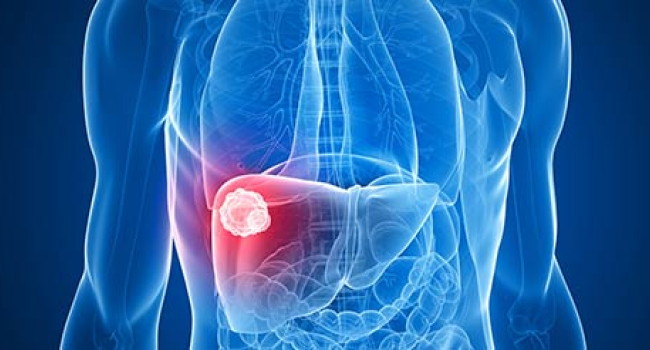
Scientists have discovered a potential new way to make immunotherapy effective against fibrolamellar carcinoma, a rare and aggressive form of liver cancer that has traditionally resisted immune-based treatments. The approach uses AMD3100, an FDA-approved drug already prescribed for another medical condition, raising hopes that clinical testing could begin relatively quickly.
Fibrolamellar carcinoma accounts for approximately 2% of all liver cancer cases. Although uncommon, it primarily affects children and young adults and is often diagnosed only after it has spread beyond the liver. Because there is currently no effective cure, treatment options remain limited and patient outcomes are often poor.
Why the Immune System Cannot Reach the Tumor
The study, published in Gastroenterology, explains why immune checkpoint inhibitors have shown little success against this cancer.
Researchers found that fibrolamellar tumors reshape their surrounding environment to keep immune T cells away from cancer cells. Instead of entering the tumor, the T cells are diverted into nearby fibrous tissue, where they become trapped. This process, known as T-cell exclusion, prevents the immune system from mounting an effective attack.
The team discovered that AMD3100 blocks the signals responsible for trapping T cells, allowing them to infiltrate tumors and destroy cancer cells.
Professor Praveen Sethupathy, Professor of Physiological Genomics at Cornell University and co-senior author of the study, said the findings provide one of the clearest explanations so far for why immune checkpoint inhibitors have failed in patients with fibrolamellar carcinoma.
He noted that even if AMD3100 does not ultimately become the definitive treatment, the study demonstrates that overcoming T-cell exclusion should be a major focus for future therapies.
Advanced Technology Revealed the Tumor's Hidden Biology
To investigate the tumor environment in detail, researchers used single-nucleus transcriptomics, a cutting-edge technique that identifies which genes are active within individual cells.
By analyzing the nuclei of thousands of cells, scientists were able to map the tumor microenvironment with unprecedented precision and better understand how cancer cells interact with surrounding tissues.
Study co-author Andreas Stephanou, a graduate student at Cornell University, said this technology finally allowed researchers to uncover the mechanisms responsible for the tumor's unusual behavior.
Why Some Cancers Resist Immunotherapy
Immune checkpoint inhibitors work by stimulating T cells to recognize and destroy cancer cells after entering tumors.
These treatments have transformed care for several cancers, including melanoma and cancers of the liver, lungs, kidneys, and bladder. However, many tumors—including pancreatic, prostate, and brain cancers—remain resistant.
The researchers believe that T-cell exclusion within the tumor microenvironment may be one of the key reasons these therapies fail in certain cancers.
Fibrous Tissue Acts as a Trap
Fibrolamellar carcinoma is named after the thick fibrous bands that run throughout the tumors.
The study found that these bands are produced by stellate cells—normal liver cells that are reprogrammed by the cancer. Once altered, these cells produce fibrous proteins and simultaneously release signals that attract nearby T cells away from cancer cells and into the fibrous tissue, where they become trapped.
AMD3100 Restores the Immune Response
Researchers then investigated whether blocking those signals could free the trapped immune cells.
Using slices of tumor tissue donated by patients, scientists at the University of Washington treated the samples with AMD3100.
The drug successfully redirected T cells into the center of the tumors. When combined with immune checkpoint inhibitors, it further increased T-cell activity and produced a marked increase in cancer cell death.
The research team is now seeking collaborators to launch clinical trials evaluating the treatment strategy in patients with fibrolamellar carcinoma.
According to Professor Sethupathy, one of the major advantages of this approach is that AMD3100 has already been approved by the U.S. Food and Drug Administration for another indication. Because its safety profile is already well established, clinical development for this new use could potentially proceed more quickly.
The study was funded by the Fibrolamellar Cancer Foundation.