Popular Sports Supplement Unexpectedly Found Beneficial for Depression
 13:23 2 July, 2026
Creatine—one of the most popular dietary supplements among athletes and individuals engaged in strength training—may possess not only the ability to enhance physical endurance but also potentially aid in the treatment of depression. This is the conclusion reached by the authors of a new review published in the journal Brain Medicine. However, the researchers emphasize that the currently available data is not yet sufficient to recommend creatine as a treatment method.
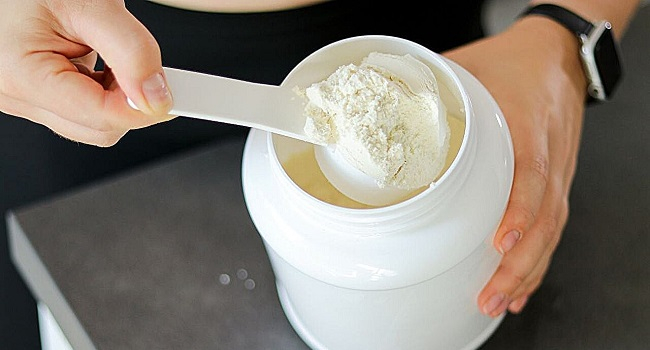
Creatine is a naturally occurring compound that helps cells produce energy. The human body synthesizes it independently and also obtains it through diet—primarily from meat, poultry, and fish. In addition, creatine is widely used in the form of sports supplements to increase strength and accelerate recovery after physical exertion.
Although creatine is primarily known for its effects on muscles, it is also found in brain cells. It is for this reason that in recent years, scientists have begun investigating its potential role in supporting mental health.
In the new review, specialists analyzed the results of five randomized clinical trials involving 238 individuals suffering from depression or bipolar disorder.
Two studies conducted among patients with major depressive disorder demonstrated a positive effect. In one instance, adding creatine to the antidepressant escitalopram enhanced the reduction of depressive symptoms. In another study, taking the supplement increased the effectiveness of cognitive behavioral therapy.
However, the remaining three clinical trials, including the study involving patients with bipolar disorder, did not reveal any noticeable benefits compared to the control groups.
Overall, creatine was well tolerated by the study participants. The most common side effects were mild gastrointestinal disturbances.
At the same time, the researchers drew attention to a potential risk for individuals with bipolar disorder. Two participants taking creatine developed hypomania or mania—conditions characterized by a pathologically elevated mood, excessive activity, and a reduced need for sleep.
The authors emphasize that while the findings appear promising specifically for patients with depression, it is premature to speak of proven efficacy. Final conclusions will require larger-scale studies with a greater number of participants and a longer observation period.
"The signal we found is interesting, but it is not a definitive conclusion yet. Two studies showed a positive effect, while three did not. Clinical practice cannot be changed based on such data. However, they show that this issue definitely deserves further study," noted the lead author of the paper, Bassam Jerious Fares, a medical student at the University of Ottawa in Canada.