Science Advances: Microplastics Combined with an Unhealthy Diet May Accelerate Liver Damage
 12:34 9 August, 2026
Scientists have found that polyethylene microplastics may contribute to the development of fatty liver disease and worsen the condition when combined with an unhealthy diet. The study was conducted by researchers from the Texas A&M University College of Veterinary Medicine and Biomedical Sciences in collaboration with colleagues from the University of Oklahoma. The findings were published in the journal Science Advances.
The researchers investigated the effects of polyethylene, one of the most widely used types of plastic, accounting for about one-third of global plastic production. It is commonly used in food packaging, plastic wrap, food storage containers, and coatings for beverage cups.
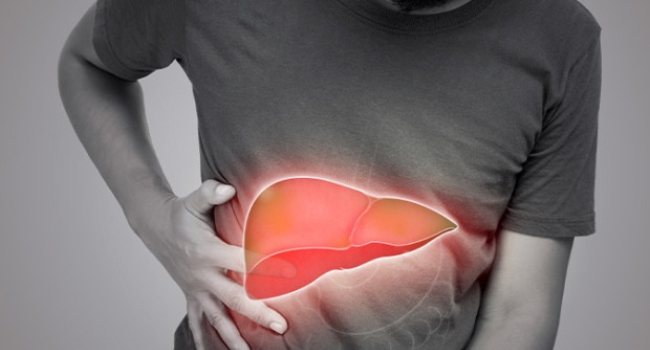
The study found that exposure to polyethylene microplastics alone increased signs of fatty liver disease, a condition in which excess fat accumulates in liver cells. When combined with a diet high in fat, fructose, and cholesterol, microplastic exposure further aggravated the condition.
“People who follow a Western-style diet that includes foods such as burgers and soft drinks may face a higher risk of fatty liver disease progression when simultaneously exposed to polyethylene,” said Adi Joshi, an associate professor in the Department of Veterinary Physiology and Pharmacology at Texas A&M University.
To determine how microplastics affect the liver, the scientists used spatial transcriptomics, a technique that allows researchers to analyze gene activity directly within tissue while preserving information about the location of individual cells.
The study showed that polyethylene activates PPAR-alpha, a protein involved in regulating fat metabolism in the liver. The researchers also identified a possible role for the ANXA2 gene, which is involved in tissue repair.
According to Joshi, the mechanism identified in the study helps explain how polyethylene affects the liver and could eventually help researchers develop ways to reduce its harmful effects.
The scientists plan to investigate whether polyethylene can contribute to further disease progression, including the development of liver fibrosis. They also intend to study other molecular mechanisms through which microplastics affect the liver and determine whether their harmful effects can be reduced by targeting the PPAR-alpha pathway.
The authors emphasize that the findings do not mean polyethylene microplastics have been proven to cause fatty liver disease in humans. Rather, the study identifies a potential mechanism and provides a basis for further research into the health effects of microplastic exposure.