American Journal of Men’s Health: “Threats to Masculinity” May Make Men Eat More Meat
 08:37 17 August, 2026
Researchers at the University of British Columbia concluded that a “threat to masculine identity” may prompt men to engage more frequently in behaviors that could potentially harm their health. The strongest evidence was related to food preferences: after situations in which their masculinity was questioned, men were more likely to choose meat and reject vegetarian options. The review was published in the American Journal of Men’s Health.
The researchers analyzed 25 studies comprising 38 experiments involving men from eight countries.
The experiments created a sense of “masculine identity threat” in different ways—for example, participants were led to believe that they did not sufficiently conform to traditional ideas about masculinity.
The researchers suggest that in such situations, some men may attempt to compensate for the threatened sense of identity by displaying behaviors associated with traditional masculinity. This, in turn, may affect their health.
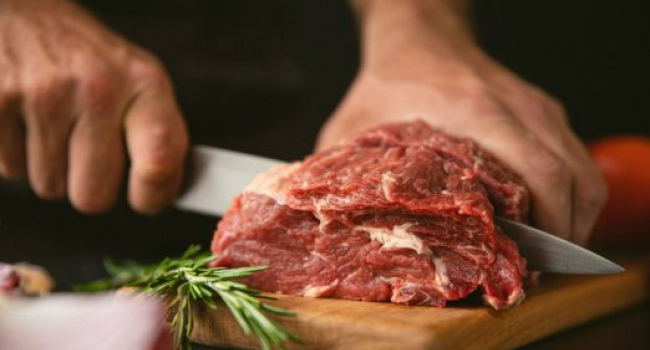
The most consistent effect was observed in relation to food. In several experiments, men whose masculine identity had been threatened chose more meat, were more likely to reject vegetarian food, and more strongly associated meat with masculinity.
Some studies also found increased consumption of alcohol and energy drinks after similar situations. However, the findings were inconsistent: in some experiments, masculine identity threats had no effect on participants’ intention to eat meat or their attitudes toward the need to justify such dietary choices.
The researchers also found evidence of an effect on emotional well-being. In one experiment, men who experienced a threat to their masculinity showed more anger, shame, and guilt, as well as less empathy. Other studies found physiological signs of increased stress, including a more pronounced cortisol response.
The findings related to physical fitness and body image were less consistent. In one experiment, men rated their own muscularity and strength lower after experiencing a masculinity threat than participants in the control group. In another, however, they reported being more capable of performing push-ups.
The researchers also found possible effects on risk-taking behavior. In one experiment, men whose masculine identity had been threatened were more likely to be willing to forgo condom use in risky situations. In another, they demonstrated greater tolerance for pain.
However, men’s responses to masculinity threats varied considerably. Their personal beliefs about masculinity and how easily they felt the status of being a “real man” could be lost played an important role. As a result, the same situation could produce very different effects in different people.