Legumes, Nuts and Whole Grains Against Diabetes: What a New Scientific Review Found
 16:32 19 August, 2026
Healthy plant-based diets are associated with a lower risk of type 2 diabetes, but simply giving up meat does not necessarily guarantee better health. This is the conclusion reached by Austrian researchers after reviewing current evidence on diet and metabolic health. The review was published in the journal Nutrients.
In 2024, approximately 589 million adults aged 20 to 79 worldwide were living with diabetes. This number is projected to rise to 853 million by 2050. About 90% of cases are type 2 diabetes, which is closely linked to obesity, physical inactivity, and dietary habits.
The researchers found substantial differences between various types of plant-based diets. The most favorable outcomes were associated with diets centered on legumes, whole grains, vegetables, fruits, and nuts, while limiting red and processed meat, added sugars, and sugar-sweetened beverages.
A meta-analysis of nine studies involving more than 307,000 people found that adherence to plant-based dietary patterns was associated with a 23% lower relative risk of developing type 2 diabetes.
At the same time, the authors emphasize that a plant-based diet does not necessarily mean completely eliminating animal products. Health benefits may also be associated with predominantly plant-based but not strictly vegetarian diets, such as flexitarian eating patterns.
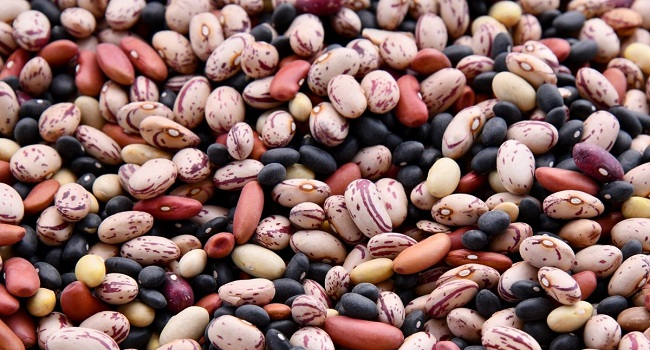
The researchers highlighted legumes and dietary fiber as particularly important. An analysis of 41 randomized controlled trials found that increasing legume consumption improved blood glucose control, including reducing post-meal increases in blood sugar and insulin.
The association was even stronger for cereal fiber: increasing its intake by 10 grams per day was linked to an approximately 25% lower risk of type 2 diabetes.
At the same time, the review shows that not all “plant-based” foods are necessarily healthy. Diets high in refined grains, added sugars, sugar-sweetened beverages, and low-quality ultra-processed foods may instead increase metabolic risks.
The authors also examined red and processed meat. In an analysis involving approximately 1.97 million adults, every additional 50 grams of processed meat consumed per day was associated with a 15% higher risk of type 2 diabetes. For unprocessed red meat, an increase of 100 grams per day was associated with a 10% higher risk.
The Mediterranean diet also demonstrated significant benefits. High adherence to this dietary pattern was associated with an approximately 30% lower risk of type 2 diabetes, as well as improvements in body weight, blood pressure, and levels of “bad” cholesterol.