Weight-Loss Drug May Affect Aging: Scientists Discover an Unexpected Effect of Semaglutide
 08:37 7 September, 2026
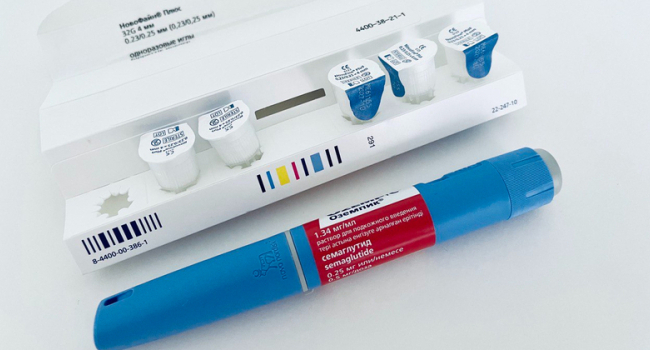
Semaglutide may affect the processes of aging, according to researchers at the University of California, Berkeley. In an experiment, the drug not only reduced body weight but also slowed age-related functional decline and extended the lifespan of older animals. The findings were published in the journal Nature.
The study involved 20-month-old female mice that began receiving semaglutide at an advanced age. The drug reduced food intake by approximately 24% and decreased body weight, primarily by reducing fat mass.
At the same time, semaglutide significantly increased the animals’ lifespan. Median lifespan increased from 742 days in the control group to 834 days among mice receiving the drug — an increase of approximately 12%.
The mice also showed fewer age-related impairments. They were more active, performed better on tests of coordination and muscle function, achieved better results on memory tests, and maintained greater insulin sensitivity and better blood glucose control.
The researchers also observed changes at the cellular level. The animals showed fewer signs of chronic inflammation and cellular senescence, improved mitochondrial function, and greater resistance to oxidative stress. Some of these changes were similar to the effects of calorie restriction.
However, the effects of semaglutide were likely not explained solely by the fact that the animals ate less. In some tests, the drug provided additional benefits compared with calorie restriction alone.
The authors believe the findings open up the possibility of studying semaglutide as a potential way of targeting age-related changes. However, it remains unknown whether the drug can slow aging or extend lifespan in humans. The study was conducted only in older female mice, so long-term clinical studies will be needed to determine whether a similar effect occurs in people.