More Than 7,000 Ebola Cases Recorded in DR Congo — Largest Outbreak in the Country’s History
 08:41 14 September, 2026
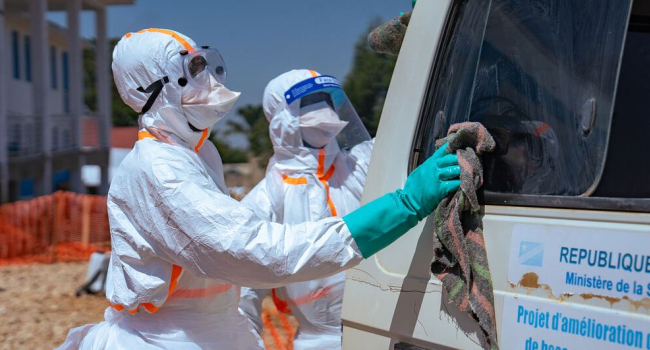
The number of Ebola cases in the Democratic Republic of the Congo has exceeded 7,000, making the current outbreak the largest in the country’s history, AFP reports.
According to authorities, 7,022 cases have been recorded since the start of the epidemic, with 3,398 people having died and another 1,671 having recovered.
At the same time, the government of the Democratic Republic of the Congo believes that the spread of the virus may have already peaked. Government spokesman Patrick Muyaya said the highest number of new cases was recorded at the beginning of the third week of August. He noted that the main indicators of transmission are now declining.
According to the authorities, no new cases have been detected for at least 21 days in 10 of the 61 health zones affected by the outbreak. At the same time, an infection was confirmed this week in South Ubangi Province, which borders the Central African Republic and the Republic of the Congo. This means the virus has now spread to seven provinces.
The current outbreak was officially identified in mid-May in Ituri Province in the northeastern part of the country. The disease subsequently spread to remote areas of eastern and northern DR Congo, where armed groups have been active for decades, government institutions have limited reach and medical infrastructure is underdeveloped.
Most reported cases have been recorded in Ituri. In recent days, Ebola has been detected in schools in the province following the return of children from summer holidays, raising concerns among parents and healthcare workers.
Schools have strengthened sanitary measures: children have been required to wash their hands regularly with soap, while the number of students in classrooms has been limited to 30. Students have also been urged to avoid physical contact with one another.
Ebola is transmitted through contact with the bodily fluids of an infected person and can cause severe internal and external bleeding as well as organ failure. Over the past 50 years, the infection has claimed more than 15,000 lives in Africa.
The current outbreak is caused by the Bundibugyo virus species. There is currently no approved vaccine or treatment specifically for infection caused by this strain; several vaccines and treatment approaches are undergoing trials.