Ophthalmologist: Frequent eyelash extensions may lead to skin mite infestation
 12:42 17 September, 2026
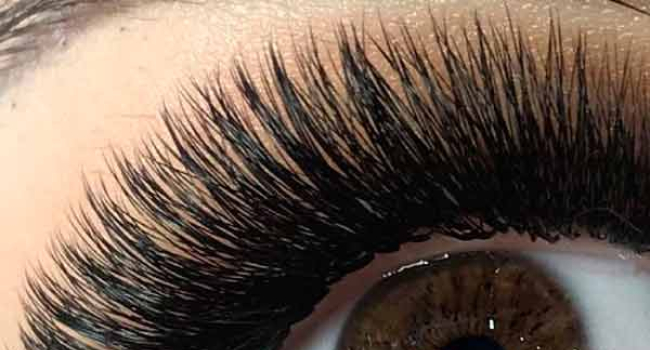
Regular eyelash extensions are associated with the presence of skin mites, eye irritation, and blocked glands. This is according to a study presented at the 44th Congress of the European Society of Cataract and Refractive Surgeons (ESCRS), The Ophthalmologist reports.
The study was conducted by Dr. Tatiana Zhmud of Pirogov National Medical University in Vinnytsia. She surveyed 345 women aged 16–28. About one-quarter of them had undergone eyelash extensions at least once, with 58% of this group having the procedure every three to four weeks. Nearly half (47.6%) reported discomfort, redness, tearing, or itching after the procedure.
“Eyelash extensions are a popular cosmetic procedure among young women. At the same time, there is growing evidence that they can cause problems on the ocular surface, including irritation, dry-eye symptoms, and meibomian gland dysfunction,” Zhmud said.
Using meibography, the researchers found that among women who had undergone eyelash extensions at least 10 times, 85% showed signs of meibomian gland dysfunction — the glands were either blocked or did not produce enough oil to keep the eyes adequately lubricated.
The researchers also examined eyelash samples from 25 women under a microscope. Demodex folliculorum mites were found in all but one of the women. Eighteen showed signs of skin irritation typical of mite infestation, including itching and irritation around the eyelids, redness, swelling, eyelashes sticking together, and scales at their roots.
Professor Sorcha Ní Dhubhghaill, chair of the ESCRS Cornea Committee, noted that such mites are uncommon among young women and are usually identified by “collarettes” — waxy rings made up of remnants of mites, their waste products, and eggs around the base of the eyelashes. Because eyelash-extension adhesive is applied near the base of the natural lashes, these formations can become more difficult to notice. She also emphasized that the presence of Demodex folliculorum does not necessarily indicate disease, as these mites can be part of the normal ocular microbiome.