Magnetic bacteria extend worms’ lifespan by more than 43%, study finds
 21:25 25 September, 2026
A magnet-producing bacterium increased the average lifespan of Caenorhabditis elegans worms by more than 43% while helping preserve their neurological and intestinal health, according to a new study by Chinese researchers.
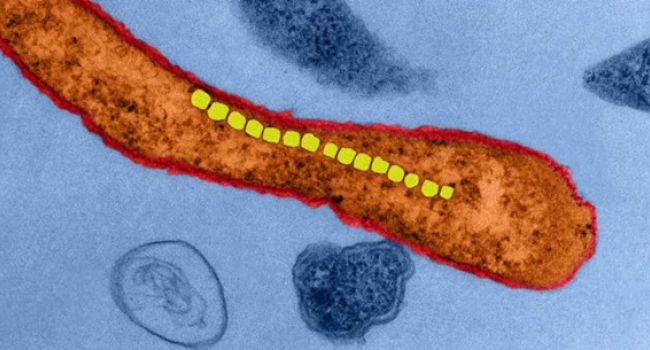
The research team, led by Prof. An Xu of the Hefei Institutes of Physical Science at the Chinese Academy of Sciences, investigated the effects of Magnetospirillum magneticum AMB-1, a magnetotactic bacterium that produces specialized magnetic structures called magnetosomes.
The study, published in Free Radical Biology and Medicine, found that worms treated with AMB-1 lived 43.39% longer on average than untreated animals. The treatment also helped maintain neurological function and intestinal integrity as the worms aged.
The researchers found that magnetosome production appeared to be crucial to the longevity effect. A magnetotactic strain of AMB-1 produced a stronger effect than a strain with reduced magnetotactic ability, while a non-magnetotactic strain did not extend lifespan.
Bacteria may act by suppressing ferroptosis
Further experiments suggested that the bacteria's effects were linked to ferroptosis, a form of cell death associated with excessive iron accumulation and oxidative damage to lipids.
Treatment with AMB-1 reduced iron accumulation and lipid peroxidation in the worms, thereby suppressing ferroptosis associated with aging. Genetic analysis also identified several ferroptosis-related pathways involved in the effect, including the ftn-1, bli-3 and ads-1 genes.
Magnetotactic bacteria have previously been investigated for potential applications such as targeted drug delivery and cancer treatment because of their magnetosomes and reported biocompatibility. Their role in aging, however, has received considerably less attention.
The researchers said the findings provide initial evidence for a potential microbial approach to healthy aging. However, the study was conducted in C. elegans, so it does not establish that the same effect would occur in humans.