Experimental Weight-Loss Drug Reduces Sleep Apnea Episodes by 40%
 15:41 25 October, 2026
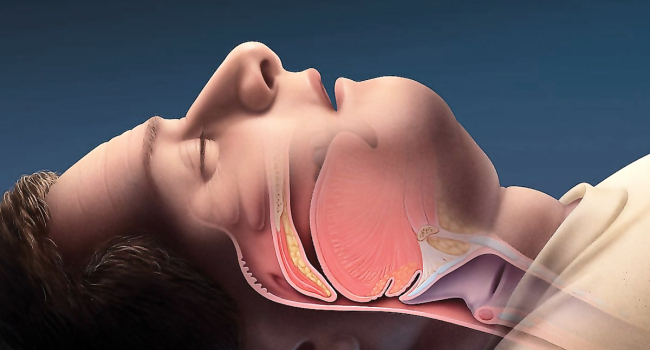
The experimental weight-loss drug retatrutide has helped reduce the number of breathing interruptions during sleep in people with overweight or obesity and obstructive sleep apnea. Two large Phase 3 clinical trials found benefits in patients both with and without type 2 diabetes. The results were published in The New England Journal of Medicine.
The TRIUMPH-1-OSA and TRIUMPH-2-OSA trials involved adults with moderate to severe sleep apnea and a body mass index (BMI) of at least 27. Participants received weekly injections of retatrutide at doses of 4, 9 or 12 mg, or a placebo. Treatment lasted 80 weeks, and the patients’ conditions were assessed using overnight sleep studies.
By the end of the trials, all three doses of retatrutide had reduced the number of breathing interruptions more effectively than the placebo. At the two higher doses, the number of breathing disturbances fell by an average of approximately 25 episodes per hour, or around 40%. In the placebo group, the reduction was about 10 episodes per hour.
Among participants receiving the higher doses of retatrutide, 39–52% saw their condition improve to a mild form of sleep apnea or experienced a complete resolution of its symptoms, without excessive daytime sleepiness. In the placebo group, approximately 13% of participants achieved a similar outcome.
The improvements were accompanied by weight loss. Among patients without diabetes who received the 4 mg dose, body weight decreased by an average of 12.5%. In the trial involving people with type 2 diabetes, weight loss reached 18–19% at the higher doses, compared with approximately 6% in the placebo group.
Retatrutide acts on three hormone receptors involved in regulating appetite, blood sugar levels and energy metabolism. Unlike semaglutide and tirzepatide, which target one and two hormonal pathways, respectively, the experimental drug activates receptors for GLP-1, GIP and glucagon. This helps reduce appetite, increase feelings of fullness and boost energy expenditure.
The standard treatment for sleep apnea remains continuous positive airway pressure (CPAP) therapy, which uses a mask to deliver pressurized air and keep the airways open during sleep. However, some patients find it difficult to use the device every night. If approved, retatrutide could potentially offer an additional treatment option for people with obesity.
However, the trial results do not mean that patients should discontinue CPAP therapy on their own.