Scientists Find Way to Boost Immune Cells’ Ability to Kill Cancer
 08:44 1 November, 2026
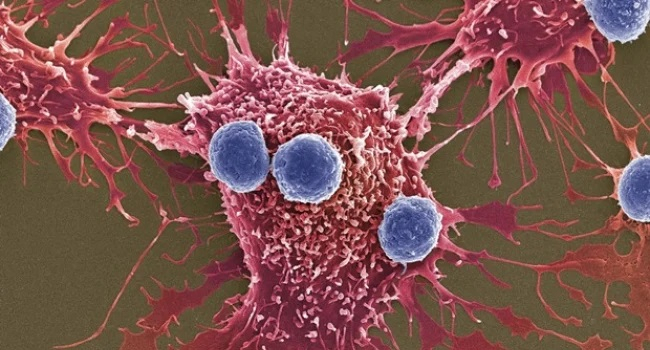
Researchers at the Jonsson Comprehensive Cancer Center at the University of California, Los Angeles (UCLA), have discovered a way to enhance immune cells’ ability to fight cancer and remain active for longer. In laboratory experiments, temporarily activating the p53 protein helped T cells destroy melanoma cells more effectively and reduced signs of functional exhaustion.
The findings were published in the journal Frontiers in Immunology.
The authors suggest that this approach could eventually be used to improve existing immunotherapy treatments, in which a patient’s own immune cells are modified to recognize and destroy tumors.
One of the main obstacles to these treatments is T-cell exhaustion. Prolonged exposure to cancer cells gradually reduces immune cells’ ability to multiply and attack tumors. In addition, during the preparation process for therapy, T cells may mature too quickly, reducing their ability to survive and remain active after being infused into the patient.
To address this problem, the researchers investigated the role of the p53 protein, best known as one of the body's key defense mechanisms against cancer development. It helps control DNA damage and prevents damaged cells from becoming malignant. However, its effects on the functioning of human T cells have been studied much less extensively.
The researchers temporarily activated p53 using the experimental drug navtemadlin. The drug blocks MDM2, a protein that normally limits p53 activity. Following treatment, the scientists compared the condition and functional capabilities of the treated T cells with those of untreated cells.
The treated cells were more likely to acquire the characteristics of central memory T cells, a type of immune cell that can persist in the body and multiply rapidly upon encountering its target again. They also showed fewer molecular markers of exhaustion and had greater energy reserves. In addition, they more frequently produced interferon-gamma and granzyme B, proteins involved in the body's anti-tumor immune response.
The researchers then genetically engineered the T cells to recognize a protein found on certain melanoma cells. In laboratory tests, the navtemadlin-treated cells destroyed tumor cells more effectively than the control cells. The advantage became apparent after approximately 40 hours and persisted throughout the experiment, which lasted nearly seven days.
Importantly, the enhanced anti-tumor activity was observed even without the additional use of interleukin-2, which is commonly administered to support T-cell growth and survival.