IJFSN: Peels and Seeds of Some Fruits and Vegetables Contain Up to Five Times More Fiber Than the Flesh
 10:32 1 November, 2026
The peels, seeds and other parts of fruits and vegetables that are usually discarded may contain significantly more dietary fiber than the edible flesh. Researchers at King's College London found such differences in 10 of the 12 types of plant foods examined in a study.
The findings were published in the International Journal of Food Sciences and Nutrition. The researchers compared the fiber content of commonly consumed parts of fresh fruits and vegetables with those more often thrown away, including peels, seeds and stems.
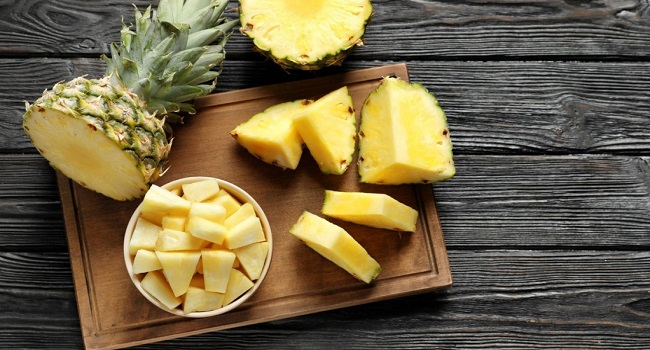
For example, the peel and seeds of butternut squash contained 9.25 g of fiber per 100 g of product. Watermelon rind contained 2.10 g per 100 g. Meanwhile, pineapple peel and core contained approximately five times more fiber than the flesh. However, there were exceptions: broccoli stems contained 28.4% less fiber than the florets.
According to the researchers, making better use of plant foods could help increase fiber intake and reduce food waste. This is particularly relevant in the UK, where, according to data cited in the study, only 4% of adults consume the recommended 30 g of fiber per day.
The scientists also found that concerns about digestibility and a lack of reliable information about the nutritional value of these parts of plants may discourage people from eating them. However, potential health benefits were a stronger motivation for study participants than environmental considerations.
The authors emphasize that this does not mean people should eat the peels of all fruits and vegetables or consume them in large quantities. The study covered only 12 types of produce, and fiber content was measured in raw samples. The safety and suitability of specific plant parts depend on the food itself and how it is prepared.