Graphic images on cigarette packs do not scare away smokers
 20:22 25 February, 2016
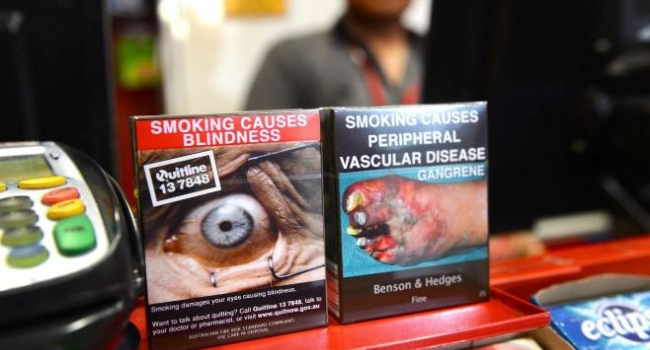
The graphic images printed on cigarette packs that show the possible health consequences of smoking are supposed to discourage smokers from pursuing their unhealthy habit.
Findings of a new study, however, have shown that pictures of diseased and dying smokers that are printed on cigarette packs do not actually stop smokers from lighting up.
Study researcher Nicole LaVoie, from the University of Illinois, and colleagues said that the main reason that these graphic warnings do not work is that many smokers perceive them as threat to their freedom, autonomy or choice.
LaVoie said that smokers tend to measure high in psychological reluctance, a personality trait that makes them more likely to resist ideas when they think that they are being ordered what to do.
The researcher has claimed that if these people see things as a threat to their freedom, they are likely to be more attracted to doing the threatened behavior.
"Utilizing both structural equation modeling and multivariate analyses, the results indicate that graphic warning labels are associated with freedom threat perceptions directly and reactance indirectly," the researchers wrote in their study, which was published in Communication Research journal.
"In addition, exposure to graphic cigarette warning labels resulted in higher freedom threat perceptions, negative cognitions and source domineeringness."
For the study, LaVoie and colleagues involved more than 400 students between 18 and 25 years old, 17.5 percent of whom were smokers.
Half of the non-smokers and half of those who do not smoke were given a pack of cigarettes with graphic images. The rest received packages with written warnings.
The researchers found that most of the participants reacted negatively to the graphic images with both the smokers and non-smokers found to have been bothered by the packages as an affront to their freedom of choice.
For them, the images depict the government, which issues these warnings, as trying to manipulate them.
"It makes them angry, it makes them express negative thoughts about the packaging, that they're being manipulated," LaVoie said. "Ultimately, it also makes them think that the source — the government in this case, mandating these labels — is being overly domineering, is being too much in their business."