White bread and rice increase the risk of lung cancer by 49%
 11:49 9 March, 2016
Many studies suggest that consuming carbohydrates is bad for your waistline.
And now, a new study revealed that carbohydrates may also be bad for your lungs.
Consuming a diet with a high glycemic index increases the risk of lung cancer, scientists revealed.
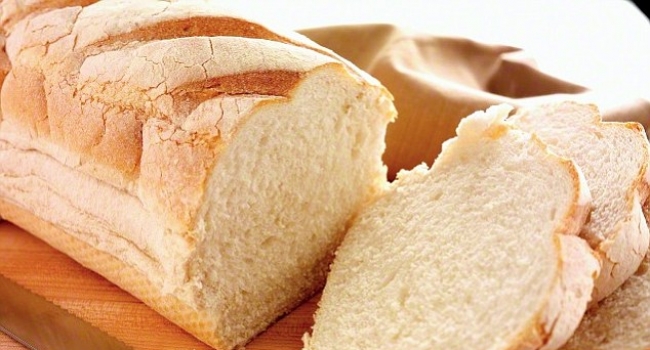
Foods known to have a high glycemic index (GI) include white bread or bagels, corn flakes and puffed rice.
Lead study author Dr Stephanie Melkonian, of University of Texas MD Anderson Cancer Center, said: 'We observed a 49 per cent increased risk of lung cancer among subjects with the highest daily GI compared to those with the lowest daily GI.'
The findings suggest that cutting out foods with high glycemic index could reduce a person's risk of developing lung cancer.
Lung cancer is the second most common cancer in both men and women across the US.
Furthermore, it is also the leading cause of cancer mortality.
More than 150,000 people in the US are expected to die from lung cancer in 2016, according to an estimate from the American Cancer Society.
Meanwhile in the UK there are around 45,525 new cases of the disease diagnosed each year, while 35,371 people lose their life to the disease annually, according to Cancer Research UK.
And, while tobacco is the leading cause of lung cancer, it does not account for all cases - particularly for those who never smoked.
The study, published in the journal Cancer Epidemiology, Biomarkers & Prevention, is the largest ever to investigate the potential link between glycemic index and lung cancer.
It is also the first to show that GI was more significantly associated with lung cancer risk in specific subgroups - including people who had never smoked and those with the sub-type squamous cell carcinoma.
Previous studies have found that dietary factors may have an influence on a person's risk of developing lung cancer.
Diets high in fruits and vegetables were found to decrease the risk - while increased consumption of red meat, saturated fats and dairy products are know to increase the risk of the disease.
The glycemic index is a measure of the quality of dietary carbohydrates.
It is defined by how quickly blood sugar levels are raised after a meal.
Dr Melkonian said: 'Diets high in glycemic index result in higher levels of blood glucose and insulin, which promote perturbations in the insulin-like growth factors (IGFs).
'Previous research suggests increased levels of IGFs are associated with increased lung cancer risk.
'However, the association between glycemic index and lung cancer risk was unclear.'
A team of scientists surveyed 1,905 patients newly diagnosed with lung cancer.
They compared the results with 2,413 healthy individuals.
The team found there was a higher risk of lung cancer in patients with the highest daily GI.
Senior study author Dr Xifeng Wu said: 'The associations were more pronounced among subjects who were never smokers, diagnosed with squamous cell carcinoma or had less than 12 years of education.'
The study also found that glycemic load - a related measure of carbohydrate quantity - had no significant association with lung cancer risk.
Dr Wu said: 'This suggests that it is the average quality, instead of quantity, of carbohydrates consumed that may modulate lung cancer risk.'
The scientists also determined that among participants who had never smoked, those with high GI were more than twice as likely to develop lung cancer.
And for smokers, the risk was only elevated by 31 per cent compared to those in the lowest GI group.
Furthermore, those with the highest GI levels were 92 per cent were more likely to develop the squamous cell carcinoma sub-type, as compared to the lowest GI group.
Participants who had less than 12 years of education were 77 per cent more likely to develop lung cancer than those in the lowest group.
In contrast, those with more than 12 years of education only had an elevated risk of 33 per cent.
The scientists noted that education level is a proxy for socioeconomic status.
They also said that the study was limited in that they only evaluated non-Hispanic white people.
Future studies must incorporate prospective cohort studies in other ethnic groups, the authors said.
The study recommended that people limit foods and beverages with high GI.
Examples of low GI foods include whole-wheat or pumpernickel bread, rolled or steel-cut oatmeal and pasta.
Dr Wu said: 'The results from this study suggest that, besides maintaining healthy lifestyles, such as avoiding tobacco, limiting alcohol consumption and being physically active, reducing the consumption of foods and beverages with high glycemic index may serve as a means to lower the risk of lung cancer.'