make preferable
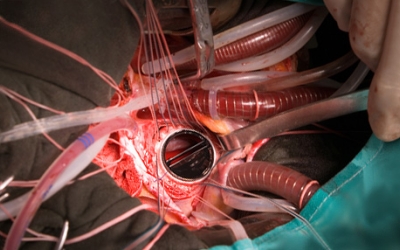
Aortic valve replacement is a life-saving option for many when medication and repair don’t solve the problem of stiffened, narrowed or leaky aortic valves that interfere with normal blood supply to the body.
Joseph F. Sabik III, MD, Chairman of the Department of Thoracic and Cardiovascular Surgery at Cleveland Clinic, is the principal investigator for the TRANSFORM study on the Intuity Valve.
Dr. Sabik explains, “Though outcomes are excellent, surgeons and researchers continue to look into new technology and techniques to improve the outcomes and durability of biologic valve replacements.”
The TRANSFORM study looks at the design of the Intuity pericardial aortic valve. Dr. Sabik says, “This newer technology will allow for a minimally invasive, or small incision, surgery. This ability could theoretically decrease the length of time it takes to place the valve and decrease the time the patient is required to be on a heart lung machine.
Researchers will follow the progress of patients enrolled in the study for up to five years. Among other issues, they will collect and analyze data involving:
Effectiveness of the valve
Durability
Side effects
Leaks or other complications
Need for additional surgery
The COMMENCE GLX study looks at an existing valve (currently used in valve replacement surgery) that is prepared (tissue processing, sterilization and packaging) in a different way.
Lars Svensson, MD, Director of the Aorta Center in the Department of Thoracic and Cardiovascular Surgery at Cleveland Clinic, is the principal investigator in this study.
Researchers will follow study participants for up to five years, collecting and then analyzing data about the safety and effectiveness of the new valve preparation. Among other issues, researchers will look at:
Improvement in patient health
Rate of complications, including infection and leaking of the valves
Need for follow-up surgery
Survival rates
Dr. Sabik sums up the aim of both studies. “The goal is to improve hospital outcomes and long-term outcomes in these studies. Even though we have success with aortic valve replacement, we are always looking to improve the outcomes in our patients.”