make preferable
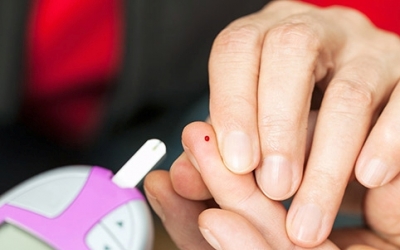
Levels of blood glucose can be predicted in advance, found a team of Penn State researchers. It's a breakthrough that would allow Type 1 diabetics enough time to take preventive action ahead of any approaching fluctuations, reports Newsmax Health.
The new mathematical model can predict with more than 90 percent accuracy how a person's blood glucose levels could change up to 30 minutes in advance based on factors such as meal intake, insulin dose, emotional state, and rate of physical activity, the researchers said in a Penn State press release.
"Many people with type 1 diabetes use continuous glucose monitors, which examine the fluid underneath the skin," Peter Molenaar, a professor of Human Development and Family Studies at Penn State, said in the statement. "But the glucose levels under the skin trail blood glucose levels from anywhere between 8 and 15 minutes. This is especially problematic during sleep. Patients may become hypoglycemic well before the glucose monitor alarm tells them they are hypoglycemic, and that could lead to death."
Molenaar and his team published their findings in this week's issue of the Journal of Diabetes Science and Technology.