make preferable
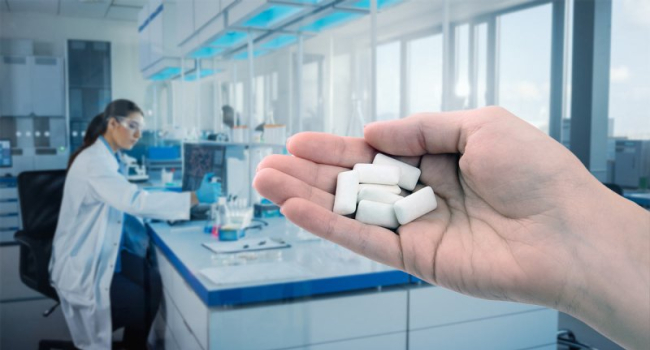
An experimental chewing gum bound up to 93% of human papillomavirus in saliva samples from patients with head and neck cancer. An additional ingredient also inhibited two types of bacteria. The study by scientists at the University of Pennsylvania was published in the journal Scientific Reports.
The authors investigated an approach to the local delivery of proteins capable of targeting microorganisms in the oral cavity. Persistent HPV infection can cause certain types of cancer, while elevated levels of the bacteria Porphyromonas gingivalis and Fusobacterium nucleatum are associated with poor outcomes in head and neck cancers.
The antiviral formulation was based on chewing gum made from lablab beans containing the lectin FRIL. This protein binds viral particles and groups them into clusters. In laboratory tests on saliva and mouth rinse samples, this treatment bound 93% and 80% of detectable HPV, respectively.
The researchers then added the antimicrobial peptide protegrin-1. A single treatment of the samples with the resulting formulation reduced the levels of the two target bacterial species by more than 99%. Meanwhile, some other bacteria, including the streptococci studied, remained. This indicates selective activity under the conditions tested.
The authors propose moving on to clinical trials to evaluate the development as a potential adjunct to existing approaches and as a means of controlling infections.