make preferable
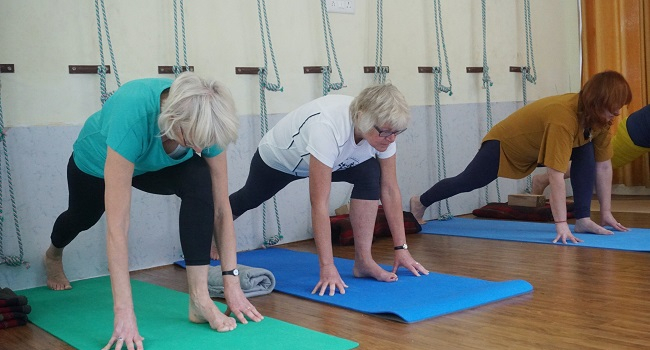
The strength and size of the hip flexor muscles are associated with different aspects of physical function in older adults with chronic low back pain. Stronger muscles are associated with better walking endurance, while a larger size of one of these muscles is associated with faster stair climbing a year later. These are the findings of researchers at the University of Delaware. The study was published in the Physical Therapy and Rehabilitation Journal.
Chronic low back pain is one of the leading causes of disability worldwide. Older adults are particularly vulnerable to its effects: their physical function declines more rapidly, and their risk of falls and hospitalization increases. Previous studies have also shown that about two-thirds of older adults with chronic low back pain have hip muscle weakness.
The scientists set out to determine whether muscle size could supplement information about muscle strength and provide a more accurate assessment of a person's future physical function.
The study involved 250 people aged 60 to 85 who had experienced low back pain for at least three months and on at least four days a week. Hip flexor strength was measured using a handheld dynamometer, and muscle cross-sectional area was measured using ultrasound. The scientists assessed three muscles: the iliopsoas, sartorius, and rectus femoris.
Participants' physical function was assessed using a six-minute walk test and a stair-climbing test. The tests were conducted at the start of the study and repeated 12 months later. The analysis accounted for age, sex, body mass index, pain intensity, limitations in daily activities, and other factors.
The results showed that muscle strength and size were associated with different measures of mobility. Each additional kilogram of hip flexion strength corresponded to an average increase of 2.44 meters in the distance walked in six minutes a year later. Meanwhile, iliopsoas muscle size provided no additional information about walking performance.
The opposite pattern was observed for stair climbing. Each additional square centimeter of iliopsoas cross-sectional area was associated with a 0.258-second reduction in the time taken to complete the test a year later. The researchers found no independent association between hip flexor strength and performance on this test.
The scientists suggest that these differences may be explained by the different demands placed on muscles during walking and stair climbing. Prolonged walking involves repeated leg movements and sustained muscle activity. Climbing stairs requires faster movements at the hip joint, as well as strength and power from the muscles that lift the body.
With age, the number and size of fast-twitch muscle fibers, which are responsible for powerful contractions, decline more rapidly. Slow-twitch fibers, which can work longer without fatigue, are relatively better preserved. Muscle strength may therefore be a more informative measure for walking, while iliopsoas size may reflect the preservation of muscle tissue important for stair climbing. However, muscle fiber composition was not directly examined in this study, so this explanation remains a hypothesis.
The authors note that muscle size and strength provide complementary information about a person's physical condition. Assessing both during rehabilitation may help in selecting exercises tailored to specific difficulties, such as reduced walking endurance or problems climbing stairs.
However, the study does not prove that increasing muscle strength or size will, in itself, improve mobility. In addition, the ultrasound measurements could not distinguish contractile muscle tissue from fat and connective tissue within the muscles. Further research is needed to determine whether targeted hip flexor training actually improves daily functioning in older adults with chronic low back pain.