make preferable
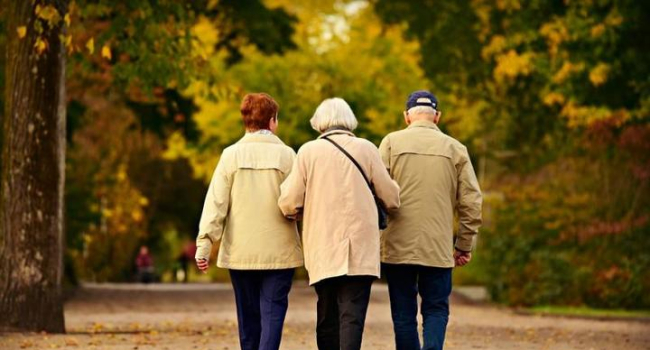
Researchers at Monash University have identified genetic mechanisms of immune system aging that help explain why the body becomes less effective at fighting cancer and infections with age. The findings of the preclinical study were published in the journal Science Immunology.
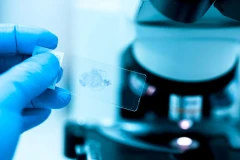
Scientists at the Monash Biomedicine Discovery Institute studied CD8⁺ T cells—immune cells that recognize and destroy infected and cancerous cells. In experiments in mice, they discovered three distinct mechanisms through which aging disrupts the genetic instructions that regulate how these cells function. As a result, immune cells find it harder to adapt to new threats, regulate immune responses, and maintain their own health.
The researchers also identified a previously unknown group of aging immune cells. These cells not only lose their ability to protect the body from disease but also actively suppress the responses of other immune cells.
“Even within the same aging organism, immune cells can age in very different ways. Some lose their ability to protect us from disease, while others begin to interfere with the body's own defense mechanisms,” explained the study's first author, Dr. Daniel Thiele of the Monash Biomedicine Discovery Institute.
According to Thiele, aging is the leading risk factor for cancer overall. The immune system constantly monitors for potentially cancerous cells and destroys them, often without a person noticing. With age, however, this natural defense weakens, increasing susceptibility to cancer and infections and reducing the effectiveness of vaccination.
The study could help identify targets for future treatments aimed at restoring specific functions of the aging immune system.
The work also laid the groundwork for another study by the Monash team, in which scientists recently found that granzyme K, a protein produced by immune cells, contributes to age-related organ damage in mice.
According to senior researcher Nicole La Gruta, understanding how immune cells age could eventually make it possible to target not only age-related changes in immunity but also aging processes in other tissues and organs.