make preferable
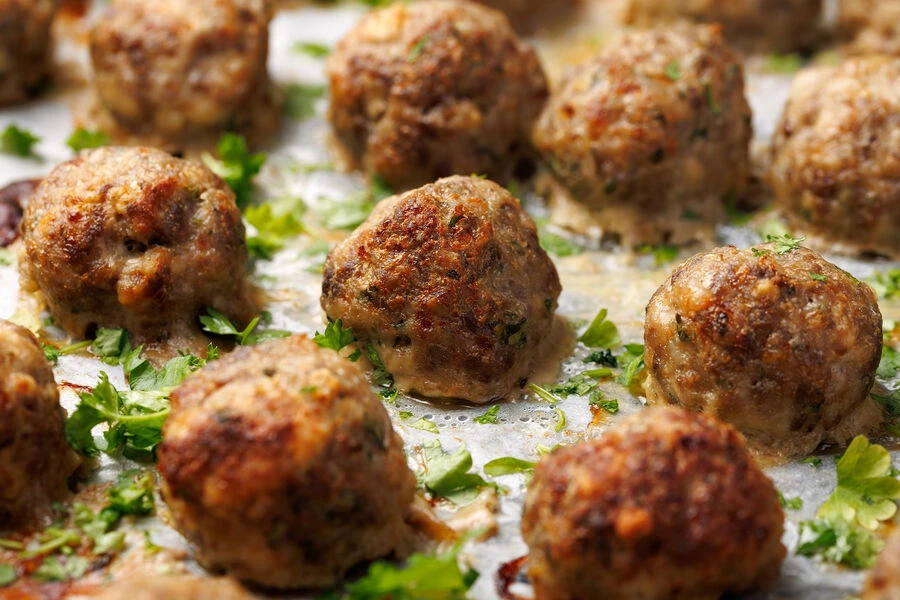
Lean ground pork was the only one of five dietary options tested to significantly increase levels of dileucine, a naturally occurring peptide associated with muscle protein synthesis. This is according to a new study by American researchers at the University of Illinois Urbana-Champaign, published in the scientific journal Molecular Nutrition & Food Research (MNFR).
Dileucine is a dipeptide consisting of two linked leucine molecules. Leucine itself has long been known to trigger muscle protein synthesis, but scientists are actively investigating whether dileucine has its own effects on muscle metabolism.
In two trials, healthy young adults received one of five options after resistance exercise: lean ground pork, high-fat ground pork, a black bean and rice dish, an amino acid sports drink, or a carbohydrate control drink. Each protein-containing option provided approximately 20 grams of protein.
Lean ground pork was the only option to significantly raise circulating dileucine above baseline, with an increase 90–120 minutes after consumption. Peak concentrations were higher than after the isolated amino acid drink and the carbohydrate control, although they did not differ statistically from those following high-fat ground pork or beans and rice.
Lean ground pork also produced the highest peak leucine concentrations—significantly higher than high-fat ground pork, beans and rice, or the carbohydrate control; the level did not differ statistically from that following the isolated amino acid drink.
Dileucine concentrations were associated with muscle protein synthesis: across all protein-containing options, there was a moderate but statistically significant positive association between peak dileucine levels and changes in muscle protein synthesis. No such association was observed for leucine itself.
“The body's response to protein depends on more than just the amount consumed,” said Nicholas A. Burd, PhD, corresponding author and researcher at the University of Illinois. “How the food matrix influences the release of amino acids and peptides into the bloodstream provides a clearer picture of how dietary protein can stimulate muscle protein synthesis and remodeling.”
Protein is often discussed in terms of quantity, but this study highlights the importance of the food matrix—the physical structure of food and the interactions among its components. The researchers suggested that grinding meat may break down connective tissue, potentially improving digestion and peptide release.