make preferable

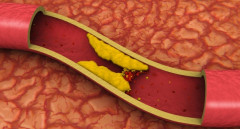
Dietary changes, reduced salt intake, and regular physical activity help control high blood pressure. Researchers from several U.S. medical institutions reached these conclusions in a review published in the journal Current Hypertension Reports.
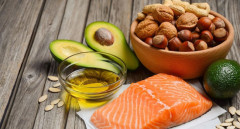
The researchers identify the DASH diet as one of the most effective approaches. It emphasizes eating more vegetables, fruits, whole grains, and low-fat dairy products while limiting saturated fat. Its beneficial effect on blood pressure is seen even independently of weight loss and reduced salt intake.
According to the 2025 guidelines from the American Heart Association and the American College of Cardiology, sodium intake should be limited to 2,300 mg per day, and ideally to 1,500 mg. It is also important to get enough potassium, primarily from food. However, potassium-based salt substitutes can be dangerous for people with impaired kidney function and those taking certain medications because of the risk of excessively high blood potassium levels.
Weight loss also helps lower blood pressure: even modest weight loss can reduce systolic readings. Regular physical activity enhances this effect. The most pronounced reductions in blood pressure were observed with about 150 minutes of aerobic exercise per week. The ENCORE study showed that combining the DASH diet with calorie restriction and exercise is more effective at lowering blood pressure than the diet alone.
Meanwhile, evidence supporting the benefits of time-restricted eating, in which meals are consumed within a specific daily window, remains insufficient. In one study, it did not lead to greater weight loss than a conventional eating schedule with the same calorie intake.
The researchers also recommend limiting alcohol and monitoring caffeine intake. According to U.S. guidelines, daily caffeine intake should not exceed 300 mg, and people with significantly elevated and poorly controlled blood pressure should limit coffee to one cup a day. Reducing alcohol intake is particularly important for people who drink regularly and in large amounts.
Substances that can cause sharp increases in blood pressure include cocaine, methamphetamine, and certain herbal supplements, including yohimbe, ephedra, and bitter orange. Licorice can also raise blood pressure when consumed in substantial amounts.
Breathing exercises, yoga, and meditation may have short-term benefits, but evidence of their effectiveness remains limited. The researchers emphasize that lasting results require long-term support and access to healthy food.
Lifestyle changes do not replace medication when it is needed. The researchers note that measures to lower blood pressure should be individualized, and prescribed treatment should not be delayed in an attempt to normalize readings through diet and exercise alone.