make preferable
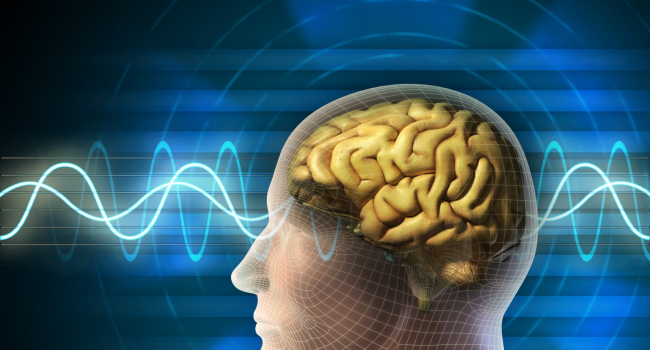
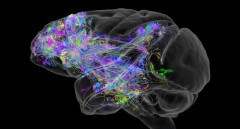
The interaction between the brain and heart may help predict the chances of survival after severe oxygen deprivation. Researchers at the Paris Brain Institute reached this conclusion after studying how rats responded to a critical reduction in oxygen supply. The findings were published in the journal eNeuro.
A lack of oxygen in the brain, or cerebral anoxia, is a major cause of death worldwide. Even if a patient survives, the effects of oxygen deprivation can persist for a long time and include neurological impairments that significantly reduce quality of life.
Diego Candia-Rivera, Sofia Carrion-Falgarona, and their colleagues tested whether the interaction between heart and brain activity could predict survival after circulation was restored following severe oxygen deprivation.
After a near-death episode caused by a lack of oxygen, the rats' brain activity decreased significantly, while heart rate variability—a measure of changes in the intervals between heartbeats—increased.
The interaction between heart activity and signals from two brain regions proved particularly important: the somatosensory cortex, which is involved in processing bodily sensations, and the hippocampus, which plays a key role in memory and spatial navigation. These relationships made it possible to predict with high accuracy which animals would survive.
According to the researchers, the findings point to a link between coordinated brain and heart function and the body's ability to recover after a critical episode of oxygen deprivation.
The scientists hope that further research will allow them to test whether this approach is applicable to humans.
In the future, analyzing brain–heart interactions may help identify patients with different recovery prognoses after severe oxygen deprivation. However, studies involving humans are needed to confirm this possibility.