make preferable
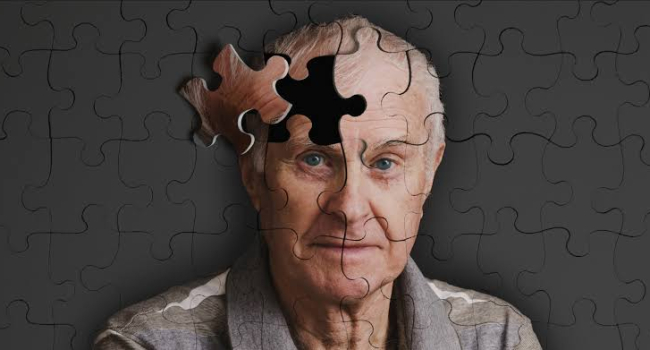
New biomarkers may improve diagnostic accuracy and help treat neurological and psychiatric disorders, including Alzheimer's disease, depression and neurodevelopmental disorders. The research findings were presented at Neuroscience 2026, the Society for Neuroscience's annual meeting, Medical Xpress reports.
Neurological and psychiatric disorders affect billions of people worldwide and are among the leading causes of disability. Biomarkers—biological indicators that help detect diseases, assess their development and monitor treatment effectiveness—are already widely used in oncology, cardiology and the diagnosis of genetic disorders. However, the complexity of the nervous system makes developing them for brain diseases challenging.
New studies show that neuroimaging data, substances in the blood, genetic changes and subtle motor impairments can be used to diagnose and monitor these conditions.
In particular, measuring the size of brain structures beyond the hippocampus may help detect early signs of neurodegeneration associated with Alzheimer's disease and track disease progression, according to Megan Morris of Johns Hopkins University.
Another study found that some older adults with intact cognitive function may have brain structures characteristic of younger people, even when they have elevated levels of neurodegeneration biomarkers in their blood. These findings may help improve our understanding of the mechanisms of healthy brain aging. The study was presented by Carlon H. Johnson of the University of Miami Miller School of Medicine.
Scientists at Columbia University also identified changes in mitochondria-related genes in brain and blood samples from people with major depressive disorder. These changes may prove useful in developing biomarkers and identifying new therapeutic targets.
In addition, researchers at Emory University developed an artificial intelligence system capable of detecting and quantifying subtle motor symptoms in nonhuman primates used as models of neurodegenerative diseases and neurodevelopmental disorders.
“Biomarkers and treatment outcome measures are essential for improving diagnosis, predicting disease course, and tracking disease progression and response to therapy,” said researcher Carol Taylor-Burds, a program director in the Division of Translational Research at the U.S. National Institute of Neurological Disorders and Stroke (NINDS).
She said the studies presented help improve our understanding of the causes and development of mood disorders, neurodevelopmental disorders and neurodegenerative diseases, as well as how cognitive function is preserved in older age.