make preferable

Restricting calorie intake does not guarantee longevity, while food quality may influence lifespan as much as the number of calories consumed. Researchers at Shanghai Jiao Tong University reached this conclusion after analyzing more than 30 large human studies, as well as animal experiments. The review was published in the journal The Innovation Nutrition.
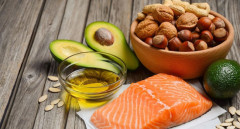
The authors identified five important dietary factors: carbohydrate type, protein sources, specific amino acids, types of fat, and fiber intake. In the studies, diets rich in plant foods, fish, nuts, and fiber were associated with lower mortality. In contrast, high consumption of ultra-processed foods was associated with an increased risk of death.
For example, an analysis of 64 studies involving more than 3.5 million people found that high fiber intake was associated with a 23% lower risk of death compared with low intake. Predominantly plant-based diets, including the Mediterranean diet, were associated with a 10–25% reduction in the risk of death.
The researchers suggest that this potential effect may be explained by the way nutrients influence cellular systems that regulate growth, repair, and the removal of damaged components. They hypothesize that a particular dietary composition may trigger processes similar to those activated by calorie restriction.
“However, there is probably no universal diet for longevity. The optimal balance of protein, fat, and carbohydrates may change with age and depend on sex, genetics, and the gut microbiota,” the scientists note.
For example, the authors suggest increasing the proportion of plant-based protein in middle age, then increasing overall protein intake again after age 65 to maintain muscle mass. However, the review does not prove that changing dietary composition alone extends life. Much of the evidence comes from animal experiments, while human studies primarily show statistical associations.